
Connect with Us


How Over the Counter Healthcare Technology Shifts Your Medical Costs

The medical device industry is bypassing the traditional doctor’s office. Federal regulators continue to clear clinical-grade hardware for direct consumer purchase at the local pharmacy. Over the counter healthcare technology puts powerful diagnostic tools directly into the hands of the patient. Consumers now buy continuous glucose monitors, clinical electrocardiogram smartwatches, and AI-assisted pulse oximeters without securing a formal prescription.
This massive shift in diagnostic accessibility changes the entire financial structure of personal healthcare. Bypassing the physician eliminates the costly specialist copayment. The financial tradeoff occurs at the pharmacy register. Standard commercial health plans refuse to cover non-prescription medical devices. Patients absorbing the full retail price of these modern tools must learn exactly how to leverage tax-advantaged accounts and digital integrations to protect their household wealth.
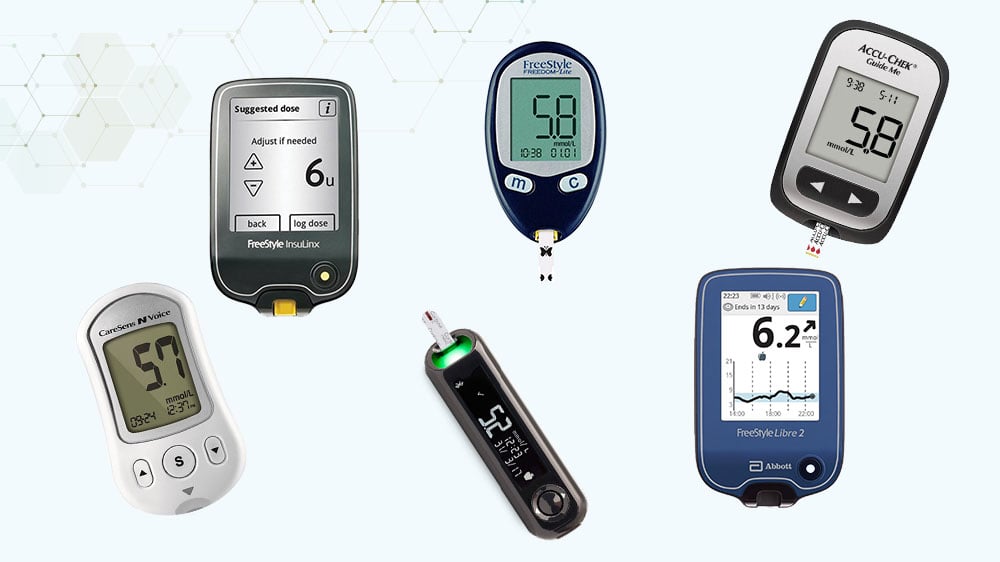
The Expansion Of Continuous Glucose Monitors
Managing metabolic health completely transformed in 2026. The U.S. Food and Drug Administration aggressively expanded the availability of non-prescription metabolic hardware. In June 2026, the agency cleared the Dexcom Stelo biosensor system for children aged two and older. This followed the 2024 clearance of similar devices for adults. Families managing prediabetes now purchase these sensors directly off the retail shelf.
These biosensors attach to the arm and transmit blood sugar readings to a smartphone every fifteen minutes. Real-time data helps patients avoid severe metabolic crashes. Reviewing recent FDA clearances for pediatric biosensors proves the federal government views these non-prescription tools as a primary defense against the type 2 diabetes epidemic. Patients connect these sensors directly to health apps for chronic diseases to build a comprehensive, continuous medical record without paying a single clinic facility fee.
How Health Insurance Treats Non-Prescription Hardware
Insurance carriers operate under very rigid billing definitions. A policy covers medical equipment prescribed by a licensed physician to treat a confirmed diagnosis. When a medical device transitions to the over-the-counter market, the insurance carrier classifies it as a general wellness product. The carrier immediately drops the product from the covered formulary list.
A patient requiring a continuous glucose monitor previously paid a small twenty-dollar copayment under their pharmacy benefit. Purchasing that exact same hardware without a prescription forces the patient to pay the full monthly retail price of roughly one hundred dollars. Independent out-of-pocket spending data consistently shows that shifting medical expenses to the retail market creates severe financial barriers for low-income populations. Shoppers evaluating the top-rated health insurance companies must read the durable medical equipment summaries closely to confirm exactly which devices still require a formal physician order to qualify for coverage.
Wearables Become Validated Medical Devices
Consumer electronics companies successfully crossed the barrier into legitimate clinical medicine. The Apple Watch secured federal clearance for its electrocardiogram (ECG) application years ago, setting a new industry standard. Modern iterations detect atrial fibrillation with extreme accuracy. Smart rings monitor blood oxygen saturation and track minute changes in skin temperature to predict viral infections days before physical symptoms appear.
These devices generate massive streams of biometric data. Progressive insurance companies reward patients who share this data. Corporate health plans offer direct premium discounts to members who upload their daily metrics. Seniors shopping for the cheapest $0 premium Medicare Advantage plans frequently discover that private carriers offer annual stipends specifically earmarked for purchasing these connected health trackers. The carrier profits by catching irregular heartbeats early, avoiding catastrophic emergency room payouts.
Funding Technology Through Tax-Advantaged Accounts
Consumers must utilize specific financial strategies to afford these retail medical upgrades. Paying cash directly from a standard checking account wastes valuable tax advantages. Health Savings Accounts (HSAs) and Flexible Spending Accounts (FSAs) allow patients to use pre-tax dollars to buy eligible medical technology.
The Internal Revenue Service classifies many over-the-counter diagnostic tools as qualified medical expenses. Patients use their HSA debit cards at the pharmacy counter to purchase glucose sensors, connected blood pressure cuffs, and high-end pulse oximeters. Reading the federal flexible spending account guidelines helps families plan their annual payroll deductions accurately. Directing pre-tax income toward these specific devices effectively creates a twenty to thirty percent financial discount on every retail purchase.
Prescription Versus Retail Device Economics
| Billing Category | How The Patient Acquires The Device | Direct Financial Impact |
| Traditional Prescription | Doctor writes an order for a specific medical condition | Insurance pays the majority of the cost after the patient meets the deductible |
| Over-The-Counter Retail | Patient purchases the hardware directly from a pharmacy | Insurance denies coverage entirely; patient pays the full retail list price |
| Tax-Advantaged Purchase | Patient buys the retail device using a funded HSA or FSA | Creates a steep financial discount by utilizing pre-tax payroll deductions |
| Insurance Wellness Stipends | Carrier provides a specific allowance for health trackers | Lowers the upfront cost of expensive smartwatches for qualifying seniors |
How Advanced Pacemaker Technology Is Changing Cardiac Care

Millions of Americans rely on implantable devices to regulate abnormal heart rhythms. Historically, receiving a pacemaker meant undergoing an invasive surgical procedure. Surgeons created a pocket under the skin of the chest and ran thin wires, called leads, directly into the heart muscle. Those wires carried physical risks, including fracturing and severe infections. Today, cardiovascular medicine looks completely different. Advanced pacemaker technology replaces these older, wired systems with microscopic, self-contained devices and noninvasive wearables.
These engineering upgrades do more than just regulate a heartbeat. They actively transmit clinical data, adjust their own algorithms, and allow patients to avoid lengthy hospital stays. Because these modern implants carry massive manufacturing costs, insurance carriers scrutinize every single prescription. Patients who need cardiac rhythm management must analyze how their specific health plan covers these expensive medical devices before they enter the operating room.
The Shift To Leadless Pacemakers
The most significant upgrade in cardiac care involves the removal of wires. Leadless pacemakers condense the battery and the pulse generator into a single capsule smaller than a AAA battery. A cardiologist implants this tiny capsule directly into the interior wall of the heart using a catheter inserted through a vein in the leg. This minimally invasive approach eliminates the chest incision entirely.
Early leadless devices only paced a single chamber of the heart. In recent years, the Food and Drug Administration approved dual-chamber leadless systems. Doctors now implant two separate wireless devices—one in the right atrium and one in the right ventricle. These two implants communicate using high-frequency electrical pulses to synchronize the heart’s natural beat. Eliminating the physical leads prevents hardware infections and shortens recovery times drastically. These dual-chamber devices carry a high list price. Consumers reviewing the top-rated health insurance companies must confirm their specific network covers inpatient surgical fees for these next-generation implants.

Integrating Artificial Intelligence And Remote Monitoring
Modern pacemakers function as continuous diagnostic tools. They monitor blood temperature, physical activity, and microscopic shifts in heart rhythm. The devices transmit this biological data directly to a smartphone application. The application then securely forwards the data to the patient’s cardiology clinic.
If a pacemaker detects a dangerous arrhythmia, it sends an immediate alert to the medical team. Doctors adjust the pacing algorithm remotely without requiring the patient to visit the hospital. Commercial insurance carriers favor this remote monitoring capability. Catching a cardiac event early stops a patient from needing a highly expensive emergency room admission. Many carriers utilize their own AI health insurance assistants to process the massive streams of data coming from these connected devices. This automated software identifies high-risk trends and approves preventive interventions instantly.
Noninvasive Wearable Ultrasound Cardiac Pacing
Clinical researchers continue to push the boundaries of cardiac stimulation. Universities recently debuted wearable pacemakers that require zero surgery. These noninvasive devices use targeted ultrasound waves to stimulate the heart muscle from outside the chest. A small, flexible sticker adheres to the patient’s skin and sends precise sound waves deep into the body.
The American College of Cardiology reviews these external technologies as temporary bridges for patients waiting for permanent implants, or for patients too frail to survive standard surgery. This external approach eliminates surgical infections entirely. Because the technology remains relatively new to the commercial market, insurance billing codes lag behind the clinical science. Patients prescribed an external ultrasound pacemaker face strict medical necessity reviews before a carrier agrees to pay the bill.
Securing Insurance Coverage For Cardiac Implants
Implantable cardiac devices fall under the durable medical equipment category for most insurance policies. The initial surgical procedure triggers your standard inpatient hospital deductible. The device itself requires a separate coinsurance payment. Patients facing a pacemaker installation must secure a formal prior authorization from their insurance carrier. The medical director at the insurance company reviews the cardiologist’s notes to confirm the surgery meets specific clinical guidelines.
The Centers for Medicare & Medicaid Services maintains strict coverage rules regarding which specific heart conditions qualify for a dual-chamber or leadless implant. Private insurers generally adopt these federal guidelines as their own corporate standard. Older adults comparing the cheapest $0 premium Medicare Advantage plans frequently discover that private managed care plans impose tighter network restrictions on specialized cardiac surgical centers. Securing treatment inside the approved network remains the only way to avoid catastrophic out-of-pocket medical debt.
Pacemaker Upgrades At A Glance
| Pacemaker Category | How It Functions | Direct Impact On Patients |
| Leadless Implants | Attaches directly to the interior heart wall without wires | Eliminates chest scars and prevents hardware infections |
| Dual-Chamber Wireless | Uses two synced devices for the atrium and ventricle | Restores natural heart rhythms for complex arrhythmias |
| Remote Monitoring | Transmits daily cardiac data straight to the clinic | Prevents emergency room visits by catching irregular beats early |
| Ultrasound Wearables | Stimulates the heart from outside the body | Offers a temporary, surgery-free bridge for frail patients |
How Telehealth Reimbursement Rules Impact Your Medical Bills

Virtual medical visits offer incredible convenience. Patients schedule appointments from their living rooms and skip crowded waiting areas. Many consumers assume this remote format automatically results in a cheaper medical bill. Insurance companies approach this situation differently. They apply strict telehealth reimbursement rules to every digital encounter. These coding regulations determine the exact dollar amount you owe the clinic. Failing to research these policies exposes your household budget to unexpected charges. As the national conversation focuses on rising healthcare costs, patients must analyze how their specific health plan categorizes and pays for digital medicine.
The End Of Universal Payment Parity
State governments previously forced insurance carriers to reimburse virtual care at the exact same rate as physical office visits. This concept is called payment parity. Legislators enacted these mandates to keep clinics operational during public health crises. The market looks completely different today. Many state governments let those parity mandates expire. Carriers now possess the legal authority to negotiate lower payouts for remote consultations.
Physicians charge their standard retail rate for a virtual exam. The insurance carrier pays a smaller, non-parity rate. The clinic sends the remaining balance directly to the patient. Tracking regional state telehealth laws reveals exactly which states still enforce payment parity and which ones allow carriers to pass the difference onto the consumer. Patients living in non-parity states often pay higher out-of-pocket fees for a video call than they would for an in-person physical.
Audio-Only Versus Video Consultations
The exact technology used during the appointment dictates the final medical bill. Medical coders use distinct Current Procedural Terminology (CPT) codes for different communication formats. A secure, two-way video consultation generates a specific billing code. A standard telephone call generates a completely different code. Health insurers reimburse these two formats at vastly different rates.
Carriers frequently deny claims for audio-only visits. They argue a standard phone call lacks the diagnostic value of a visual inspection. Doctors sometimes switch a failed video call to a standard phone call if the internet connection drops. This technical glitch changes the billing code instantly. Modern corporate health plans deploy AI health insurance assistants to flag and reject these downgraded audio-only claims. You must confirm your internet stability and verify your carrier covers telephone-only care before the appointment begins.
Medicare Policies And Geographic Restrictions
Federal policy sets the baseline for the entire commercial insurance industry. The government adjusts virtual care rules for older adults constantly. Medicare traditionally restricted remote care to patients living in designated rural areas. Recent legislative packages altered those geographic limitations temporarily. The Centers for Medicare & Medicaid Services updates these specific billing codes every single year.
Seniors face a fragmented digital landscape. Traditional Medicare processes virtual claims under strict originating site rules. Private managed care plans operate under different parameters. Retirees comparing the cheapest $0 premium Medicare Advantage plans often find broad virtual benefits bundled into their policies. These private plans waive geographic restrictions to keep their members out of expensive emergency rooms. You must read your specific evidence of coverage document to confirm which federal rules apply to your current policy.
Preferred Provider Networks And Digital Apps
Insurance companies build proprietary virtual networks to control their financial exposure. A carrier might partner with a massive corporate telehealth platform. The insurer negotiates rock-bottom consultation rates with these specific vendors. The carrier encourages subscribers to use these preferred applications by dropping the copayment to zero dollars.
Scheduling a virtual visit with your long-term primary care physician triggers a different billing process. Your local doctor sits outside the carrier’s preferred digital network. The insurance company processes that claim as a standard specialist visit, applying your full deductible and standard copayment. The American Medical Association tracks how these corporate network restrictions impact long-term patient care. Splitting your medical history across multiple corporate apps fragments your health records. You must weigh the financial discount of a preferred app against the clinical value of seeing your own established physician.
Telehealth Billing Factors At A Glance
| Billing Variable | How Insurance Processes The Claim | Direct Financial Impact |
| Payment Parity Laws | Dictates if virtual visits pay the same as physical visits | Non-parity states leave patients responsible for the balance |
| Connection Type | Separates video calls from audio-only phone calls | Audio-only visits face high denial rates from private carriers |
| Originating Site Rules | Requires patients to be in specific geographic locations | Limits traditional Medicare coverage for urban residents |
| Preferred Digital Networks | Pushes patients to use corporate telehealth applications | Creates zero-dollar copayments but fragments medical records |
How Chronic Disease Technology Lowers Out-of-Pocket Medical Costs
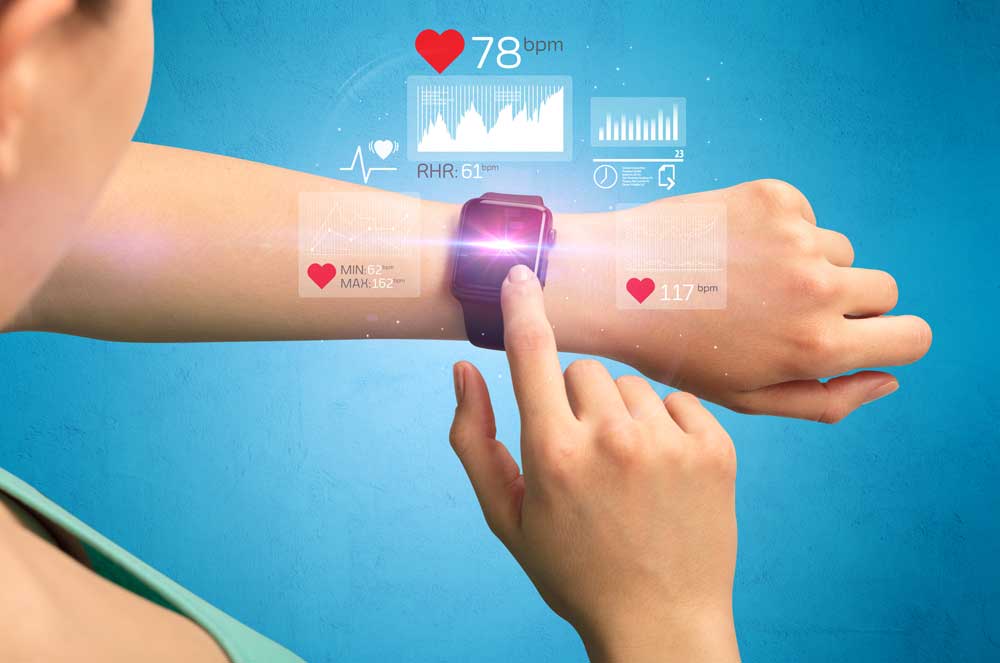
Managing a long-term illness requires daily vigilance. Patients track metrics, take medications, and attend frequent checkups. The traditional medical system treats these conditions retroactively. Doctors wait for a patient to experience a severe symptom before adjusting the treatment plan. This delayed reaction creates massive hospital bills and physical suffering. Chronic disease technology shifts this dynamic entirely. Medical device manufacturers build smart sensors that monitor biological data around the clock. These devices transmit information directly to a clinical team. This constant connection stops minor health dips from becoming full-scale medical emergencies.
Remote Patient Monitoring Prevents Hospital Readmissions
High blood pressure and congestive heart failure drive the majority of hospital admissions in the United States. A patient leaves the hospital and goes home without direct medical supervision. Fluid retention spikes, leading to another expensive emergency room visit just days later. Remote Patient Monitoring (RPM) solves this exact problem. Hospitals send patients home with cellular-connected weight scales and blood pressure cuffs. The patient steps on the scale each morning. The device sends the exact weight to the cardiology department. A sudden two-pound increase triggers an alert. A nurse calls the patient and adjusts their diuretic medication immediately.
The American Heart Association advocates strongly for these remote systems to reduce mortality rates. Insurance companies recognize the massive financial savings tied to RPM. Paying a few hundred dollars for a connected scale prevents a fifty-thousand-dollar intensive care admission.
Continuous Glucose Monitors Redefine Diabetes Care
Diabetes management historically relied on painful finger pricks. Patients guessed how specific meals affected their blood sugar. Continuous Glucose Monitors (CGMs) eliminate the guesswork. A small sensor sits on the patient’s arm and reads glucose levels every five minutes. The data flows directly to a smartphone app. The patient sees real-time graphs showing exactly how their metabolism reacts to food and exercise. They adjust their insulin doses precisely.
Better daily control stops the severe metabolic crashes that cause organ damage and blindness. Integrating these devices with health apps for chronic diseases allows patients to maintain stable baseline metrics. The Centers for Disease Control and Prevention reports that uncontrolled diabetes ranks as a top driver of national healthcare spending. Securing insurance coverage for CGMs used to require a lengthy appeals process. Carriers now realize that funding these devices protects their corporate profit margins.
Prescription Digital Therapeutics Enter The Market
The medical software industry creates programs that doctors prescribe just like a traditional pill. Prescription digital therapeutics treat behavioral health conditions, substance use disorders, and chronic insomnia. A patient downloads the authorized software to their phone. The program guides them through clinically validated cognitive behavioral therapy.
The Food and Drug Administration heavily regulates these applications to guarantee they deliver genuine clinical results. These digital treatments bypass the standard pharmacy counter entirely. The billing process for software presents a unique challenge for standard insurance carriers. Actuaries struggle to place an app on a traditional drug formulary list. Many progressive health plans employ AI health insurance assistants to review software claims and authorize immediate access for qualified members.
Securing Insurance Coverage For Medical Devices
Accessing modern medical hardware requires strict adherence to your insurance policy rules. Medical device suppliers must hold in-network status with your exact carrier. Buying a connected inhaler or a smart blood pressure monitor out-of-network leaves you responsible for the entire retail price. Patients must secure formal prior authorization from their primary care doctor before ordering any equipment.
Medicare handles chronic disease technology under Part B durable medical equipment rules. Private carriers bundle these devices into specialized wellness programs. Seniors actively comparing the cheapest $0 premium Medicare Advantage plans find that many policies provide free chronic care management kits as an extra benefit. Reviewing your summary of benefits confirms your exact out-of-pocket maximums and protects your household budget from unexpected hardware costs.
Chronic Disease Technologies At A Glance
| Technology Type | Clinical Function | Direct Financial Impact |
| Remote Patient Monitoring | Transmits daily vitals straight to the clinic | Prevents costly hospital readmissions and emergency visits |
| Continuous Glucose Monitors | Tracks blood sugar every five minutes | Lowers long-term expenses tied to severe diabetic complications |
| Digital Therapeutics | Delivers behavioral therapy via software | Replaces expensive in-person therapy sessions and pharmacy copays |
| Connected Inhalers | Monitors daily asthma medication adherence | Stops severe respiratory attacks and urgent care fees |
How Health Apps Help Patients Manage Chronic Diseases
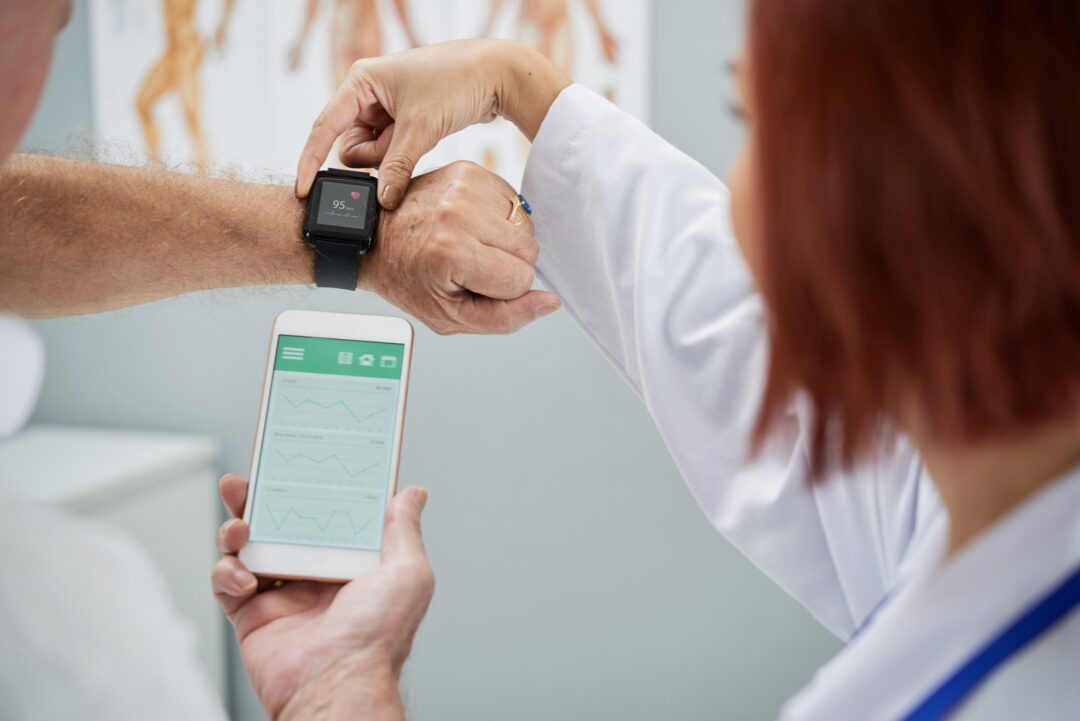
Managing a chronic disease requires daily attention. Patients track blood sugar, measure blood pressure, and schedule multiple medication doses. In the past, they logged these metrics on paper. Doctors reviewed this data months later during short clinical visits. Now, health apps transform smartphones into active medical tools. These applications record biometric data instantly and transmit that information directly to a medical provider. This direct connection stops minor health fluctuations from turning into massive hospital bills.
Insurance carriers view these digital tools as a primary strategy for cost containment. They integrate app usage directly into modern health policies. Patients who adopt this technology gain immediate access to personalized medical guidance. They lower their out-of-pocket expenses and reduce their reliance on emergency room care. Examining how these platforms operate reveals a clear path for better personal health and stronger financial protection.
Translating Daily Data Into Clinical Action
Health applications change how doctors treat long-term conditions. A patient with hypertension wears a Bluetooth-connected cuff. The cuff sends the blood pressure reading to a smartphone app. The app graphs the trends and flags abnormal spikes. If the numbers exceed a safe limit, the app alerts the patient’s cardiology team. The doctor adjusts the prescription via a telehealth visit before a stroke happens.
Federal regulators monitor the clinical accuracy of these software programs. The Food and Drug Administration maintains federal digital health regulations to verify that apps function as reliable diagnostic tools rather than basic fitness counters. Patients rely on this accuracy to manage their health effectively. Selecting the right coverage helps patients afford the companion devices these apps require. Comparing the top-rated health insurance companies allows consumers to find plans that subsidize connected cuffs and glucose monitors as standard preventive care.
How Insurers React To Digital Health Data
Insurance carriers view chronic diseases as massive financial liabilities. The Centers for Disease Control and Prevention reports that managing chronic disease costs consumes the vast majority of all healthcare spending in the United States. Insurers want to reduce these exact expenses. They actively encourage their policyholders to download and use specific disease management applications.
Some corporate health plans offer direct financial incentives for app usage. A subscriber might earn a lower monthly premium or receive extra contributions to a health savings account by logging their daily metrics. Carriers use AI health insurance assistants to process the data flowing from these apps. The software identifies high-risk members and enrolls them in specialized care programs. This proactive strategy keeps members healthier and protects the carrier’s corporate profit margins from unexpected emergency room claims.
The Financial Impact On Out-Of-Pocket Expenses
Consumers face constant pressure from high deductibles. Frequent doctor visits and expensive specialty drugs drain household budgets quickly. Health apps offer a direct mechanism to lower these daily expenses. A diabetes management app reminds a patient to take insulin at the exact right time. Better medication adherence prevents severe metabolic crashes.
Avoiding the emergency room is the best way to lower out-of-pocket medical spending. A single hospital admission can trigger a patient’s maximum annual deductible overnight. Seniors face similar financial threats from complex medical conditions. Retirees utilizing the cheapest $0 premium Medicare Advantage plans find free chronic care apps included in their supplemental benefits package. Using these provided digital tools helps older adults maintain their independence and avoid costly assisted living facilities.
Protecting Your Medical Privacy
Sharing real-time biological data requires strict security measures. Patients must separate commercial fitness trackers from actual medical applications. Apps prescribed by a doctor and connected to a hospital portal fall under strict privacy rules enforced by the federal government. These clinical tools cannot sell personal data to advertisers.
Third-party apps found on standard app stores operate under different guidelines. Many free applications bury data-sharing clauses in long user agreements. Consumers must read these privacy policies closely. Protecting personal health information ranks as a high priority alongside lowering medical bills. Patients who select secure, doctor-approved applications secure the physical and financial benefits of modern medicine without sacrificing their privacy.
Health Apps For Chronic Care At A Glance
| App Feature | How It Functions | Direct Impact On Patients |
| Biometric Tracking | Records daily blood pressure and glucose levels | Catches dangerous health trends before they require hospitalization |
| Insurance Integration | Connects health data to carrier wellness programs | Lowers monthly premiums and rewards healthy habits |
| Medication Reminders | Sends alerts for daily pill schedules | Improves drug adherence and stabilizes chronic conditions |
| Data Security | Encrypts medical information inside patient portals | Protects personal health records from corporate data brokers |
How Wearable Health Technology Is Changing Preventive Care
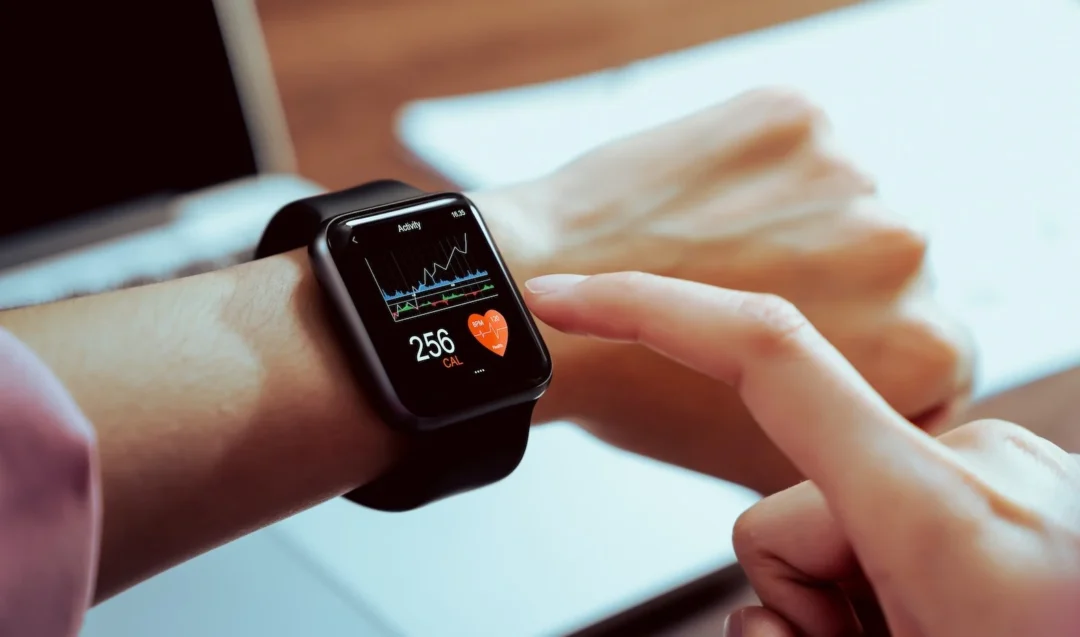
Not long ago, wearable health technology was largely viewed as a fitness novelty—a simple digital pedometer designed to encourage users to hit a daily step count. Today, that landscape has entirely transformed. As we move deeper into 2026, the sophisticated sensors embedded in smartwatches, fitness rings, and continuous glucose monitors have blurred the line between commercial electronics and medical-grade diagnostic equipment. By continuously tracking heart rhythms, blood oxygen levels, and sleep architecture, these devices are fundamentally shifting the American healthcare system away from reactive treatments and toward proactive, preventive care.
However, this technological leap is not just changing how doctors diagnose patients; it is actively rewriting the business of healthcare financing. As millions of Americans generate a continuous stream of biometric data, health insurance companies are eager to harness this information to predict medical risks and lower catastrophic claims. For the modern healthcare consumer, understanding how wearable devices intersect with clinical medicine and insurance coverage is essential for navigating the future of personal health management and protecting individual data privacy.
The Transition To Medical-Grade Biometric Tracking
The true value of modern wearable technology lies in its ability to monitor a patient’s vital signs passively and continuously outside the four walls of a hospital. Traditionally, a physician only received a snapshot of a patient’s health during an annual physical. If a patient experienced an irregular heartbeat or a sudden blood pressure spike on a Tuesday, but their appointment wasn’t until Friday, the data was permanently lost. Wearables have bridged this massive diagnostic gap.
Today, advanced consumer devices feature electrocardiogram (ECG) applications capable of detecting atrial fibrillation, a leading cause of strokes. Because these devices are increasingly scrutinized and authorized under the strict FDA regulatory framework for digital health, physicians are now legally and clinically comfortable using this continuous data stream to make real-world prescribing decisions. By identifying microscopic deviations in baseline health metrics months before physical symptoms manifest, wearable technology allows patients to seek early medical intervention, drastically improving long-term survivability for serious cardiovascular and metabolic conditions.
How Health Insurance Companies View Wearable Data
From an actuarial perspective, health insurance companies view preventive care as the ultimate cost-containment strategy. It is significantly cheaper for an insurer to pay for early-stage lifestyle interventions than it is to fund a half-million-dollar open-heart surgery. Consequently, commercial insurers are actively encouraging their policyholders to adopt wearable health technology. Many corporate health plans now offer subsidized smartwatches or direct premium discounts to employees who agree to hit specific daily activity metrics or participate in digital wellness challenges.
To manage and analyze the staggering volume of biometric data generated by these programs, insurance carriers are deploying highly sophisticated software. Modern AI health insurance assistants are increasingly utilized by both insurers and medical networks to instantly flag alarming trends in a patient’s wearable data, triggering an automated alert for the patient to schedule an urgent telemedicine consultation. While this interconnected system undoubtedly saves lives, it also raises complex questions about dynamic insurance pricing and whether carriers will eventually penalize patients whose wearable data indicates a sedentary, high-risk lifestyle.
Reducing The Financial Burden Of Chronic Disease
The integration of wearable technology is particularly revolutionary for the management of chronic illnesses like diabetes and hypertension, which are the primary drivers of medical inflation in the United States. Continuous Glucose Monitors (CGMs), which transmit real-time blood sugar readings directly to a smartphone, eliminate the need for painful finger pricks and allow patients to see exactly how specific foods or activities impact their metabolic health. This immediate feedback loop empowers patients to make behavioral corrections in real time.
By keeping chronic conditions tightly controlled, patients can avoid the severe complications that routinely lead to expensive emergency room admissions. The massive financial savings associated with this preventive approach are becoming a major selling point during open enrollment. When evaluating the top-rated health insurance companies, educated consumers are actively looking for carriers that fully cover the cost of CGMs and connected blood pressure cuffs as standard preventive benefits, rather than classifying them as highly restricted medical equipment.
The Critical Importance Of Patient Data Privacy
As wearable technology becomes deeply intertwined with medical care and insurance premiums, the protection of consumer health data is a growing national concern. It is vital for patients to understand the legal distinction between a clinical medical device prescribed by a doctor and a commercial fitness tracker purchased at a retail store. Data transmitted directly to a hospital’s electronic health record is heavily protected by federal HIPAA privacy rules, meaning it cannot be sold or shared without explicit patient consent.
Conversely, the biometric data collected by many third-party commercial fitness apps is often subject to lengthy, confusing user agreements that allow tech companies to aggregate and sell your health habits to advertisers or data brokers. As seniors increasingly rely on these devices for fall detection and heart monitoring—often subsidized through the cheapest $0 premium Medicare Advantage plans—the potential for data exploitation grows. Consumers must ruthlessly audit their app permissions and opt out of third-party data sharing to ensure their most intimate biological metrics remain entirely private.
Wearable Technology And Preventive Care At A Glance
| Technology Factor | How It Functions | Impact On Patients |
| Continuous Monitoring | Tracks ECG, blood oxygen, and glucose levels 24/7 | Catches life-threatening conditions before physical symptoms appear |
| Insurance Incentives | Carriers offer premium discounts for sharing wellness data | Lowers monthly insurance costs but introduces complex privacy trade-offs |
| Chronic Disease Control | Provides real-time feedback for conditions like diabetes | Prevents severe complications and expensive emergency room visits |
| Data Security Risks | Commercial apps aggregate and monetize biometric data | Requires patients to actively manage app permissions to protect medical privacy |
