
Connect with Us


How Health Apps Help Patients Manage Chronic Diseases
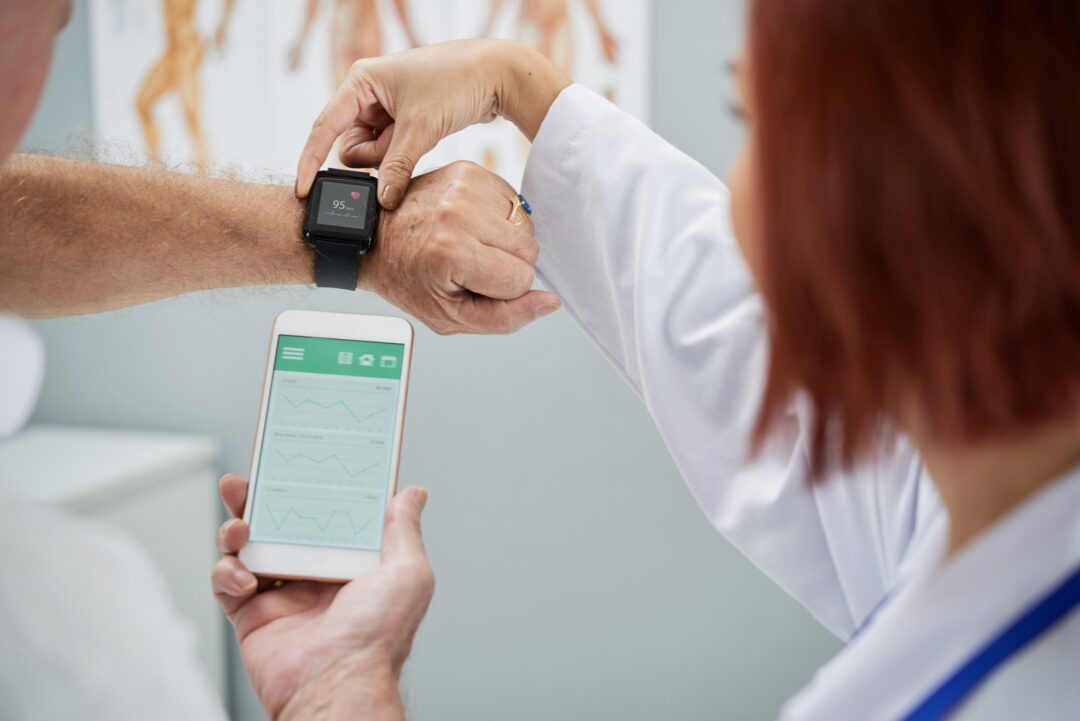
Managing a chronic disease requires daily attention. Patients track blood sugar, measure blood pressure, and schedule multiple medication doses. In the past, they logged these metrics on paper. Doctors reviewed this data months later during short clinical visits. Now, health apps transform smartphones into active medical tools. These applications record biometric data instantly and transmit that information directly to a medical provider. This direct connection stops minor health fluctuations from turning into massive hospital bills.
Insurance carriers view these digital tools as a primary strategy for cost containment. They integrate app usage directly into modern health policies. Patients who adopt this technology gain immediate access to personalized medical guidance. They lower their out-of-pocket expenses and reduce their reliance on emergency room care. Examining how these platforms operate reveals a clear path for better personal health and stronger financial protection.
Translating Daily Data Into Clinical Action
Health applications change how doctors treat long-term conditions. A patient with hypertension wears a Bluetooth-connected cuff. The cuff sends the blood pressure reading to a smartphone app. The app graphs the trends and flags abnormal spikes. If the numbers exceed a safe limit, the app alerts the patient’s cardiology team. The doctor adjusts the prescription via a telehealth visit before a stroke happens.
Federal regulators monitor the clinical accuracy of these software programs. The Food and Drug Administration maintains federal digital health regulations to verify that apps function as reliable diagnostic tools rather than basic fitness counters. Patients rely on this accuracy to manage their health effectively. Selecting the right coverage helps patients afford the companion devices these apps require. Comparing the top-rated health insurance companies allows consumers to find plans that subsidize connected cuffs and glucose monitors as standard preventive care.
How Insurers React To Digital Health Data
Insurance carriers view chronic diseases as massive financial liabilities. The Centers for Disease Control and Prevention reports that managing chronic disease costs consumes the vast majority of all healthcare spending in the United States. Insurers want to reduce these exact expenses. They actively encourage their policyholders to download and use specific disease management applications.
Some corporate health plans offer direct financial incentives for app usage. A subscriber might earn a lower monthly premium or receive extra contributions to a health savings account by logging their daily metrics. Carriers use AI health insurance assistants to process the data flowing from these apps. The software identifies high-risk members and enrolls them in specialized care programs. This proactive strategy keeps members healthier and protects the carrier’s corporate profit margins from unexpected emergency room claims.
The Financial Impact On Out-Of-Pocket Expenses
Consumers face constant pressure from high deductibles. Frequent doctor visits and expensive specialty drugs drain household budgets quickly. Health apps offer a direct mechanism to lower these daily expenses. A diabetes management app reminds a patient to take insulin at the exact right time. Better medication adherence prevents severe metabolic crashes.
Avoiding the emergency room is the best way to lower out-of-pocket medical spending. A single hospital admission can trigger a patient’s maximum annual deductible overnight. Seniors face similar financial threats from complex medical conditions. Retirees utilizing the cheapest $0 premium Medicare Advantage plans find free chronic care apps included in their supplemental benefits package. Using these provided digital tools helps older adults maintain their independence and avoid costly assisted living facilities.
Protecting Your Medical Privacy
Sharing real-time biological data requires strict security measures. Patients must separate commercial fitness trackers from actual medical applications. Apps prescribed by a doctor and connected to a hospital portal fall under strict privacy rules enforced by the federal government. These clinical tools cannot sell personal data to advertisers.
Third-party apps found on standard app stores operate under different guidelines. Many free applications bury data-sharing clauses in long user agreements. Consumers must read these privacy policies closely. Protecting personal health information ranks as a high priority alongside lowering medical bills. Patients who select secure, doctor-approved applications secure the physical and financial benefits of modern medicine without sacrificing their privacy.
Health Apps For Chronic Care At A Glance
| App Feature | How It Functions | Direct Impact On Patients |
| Biometric Tracking | Records daily blood pressure and glucose levels | Catches dangerous health trends before they require hospitalization |
| Insurance Integration | Connects health data to carrier wellness programs | Lowers monthly premiums and rewards healthy habits |
| Medication Reminders | Sends alerts for daily pill schedules | Improves drug adherence and stabilizes chronic conditions |
| Data Security | Encrypts medical information inside patient portals | Protects personal health records from corporate data brokers |
