
Connect with Us


How to Evaluate the Top-Rated Health Insurance Companies for 2026

Selecting health insurance determines both your physical health access and your household financial security. As the 2026 open enrollment period approaches, corporate carriers offer vastly different network structures, pricing models, and digital benefits. The market favors the active shopper. Consumers who auto-renew their existing policies frequently absorb massive rate hikes and hidden deductible increases.
Independent auditing agencies grade these massive corporate entities based on clinical outcomes and patient satisfaction. Identifying the top-rated health insurance companies requires reading past the marketing brochures to evaluate the raw clinical data. A carrier might offer a cheap monthly premium but feature a terrible record of denying specialty claims. Shoppers must analyze exactly how these insurers operate their physician networks and pay their hospital bills before signing a binding yearly contract.
The Financial Edge Of Integrated Health Systems
Integrated health systems control both the insurance policy and the medical facilities. Kaiser Permanente operates as the defining model for this approach. By employing the doctors, running the hospitals, and writing the insurance policy, they eliminate the costly administrative friction that plagues standard medical billing. The National Committee for Quality Assurance continuously awards high marks to these integrated models for their preventive care statistics.
This closed-loop system creates direct financial benefits for the consumer. Patients rarely face surprise out-of-network bills, and their medical records flow seamlessly from the primary care doctor to the specialist. The major tradeoff involves geographic restriction. You must live near their specific clinical centers to receive care. Patients analyzing how health insurance companies set premium prices find that integrated carriers frequently offer lower monthly rates because they control the exact cost of the underlying medical interventions.
Provider Networks And PPO Flexibility
Many patients prefer complete freedom when choosing a surgeon or specialist. The Blue Cross Blue Shield association dominates the Preferred Provider Organization (PPO) market across the country. They hold contracts with the vast majority of practicing physicians and hospital systems in the United States. This massive scale gives patients the flexibility to seek a second opinion at an elite cancer center or travel across state lines for specialty care without losing their insurance coverage.
The American Medical Association tracks corporate market share, showing that wide-network plans remain the top choice for families dealing with complex medical histories. Buying into a massive PPO network requires a high monthly premium. You pay a surcharge for the privilege of unrestricted medical access. Consumers must calculate if their specific medical conditions justify the higher cost of a national provider network.
Customer Satisfaction And Claim Processing
The true test of an insurance carrier occurs during a medical emergency. You need a company that processes hospital claims quickly rather than burying you in automated denial letters. Humana and Aetna consistently post strong scores in independent customer satisfaction surveys. They achieve these rankings by maintaining low complaint ratios with state insurance commissioners and offering clear, transparent billing portals.
A carrier with a fast claim approval process prevents the patient from fielding harassing calls from hospital billing departments. Many corporate insurers now deploy advanced software to streamline this paperwork. Carriers utilizing AI health insurance assistants often process routine authorizations in minutes rather than days. A high customer satisfaction score indicates the company prioritizes the patient’s recovery over aggressive corporate cost-containment strategies.
Evaluating Medicare Advantage Market Leaders
The rules change entirely for older adults entering the federal system. Private companies aggressively compete for Medicare contracts. Humana and UnitedHealthcare control massive shares of the Medicare Advantage market. They build their policies around specific senior needs, bundling pharmacy benefits, dental cleanings, and gym memberships into a single package.
The Centers for Medicare & Medicaid Services uses a strict five-star rating system to grade these private plans on clinical performance and member experience. A five-star plan offers reliable coverage and fewer administrative hurdles. Retirees searching for the cheapest $0 premium Medicare Advantage plans must verify the star rating before enrolling. A zero-dollar premium offers no actual value if the carrier holds a low star rating and routinely denies access to necessary physical therapy or joint replacement surgeries.
Matching A Carrier To Your Clinical Needs
No single insurance company provides the perfect solution for every patient. A young, healthy worker might prioritize the lowest possible premium and the best smartphone app. A patient managing type 2 diabetes must prioritize the carrier with the strongest pharmacy benefits and the lowest copayments for endocrinologist visits.
You must conduct a precise financial audit during open enrollment. Check the exact formulary tier for your daily medications. Confirm that your primary care doctor remains in the preferred network for the upcoming year. By ignoring corporate branding and focusing strictly on the hard data of deductibles, out-of-pocket maximums, and network size, you secure the medical access you need to protect your physical and financial health.
2026 Insurance Leaders At A Glance
| Insurance Carrier | Primary Market Strength | Direct Consumer Impact |
| Kaiser Permanente | Integrated care and facility ownership | Lowers administrative friction and out-of-pocket spending |
| Blue Cross Blue Shield | Massive national PPO networks | Provides the highest flexibility for choosing specialty surgeons |
| Humana | Medicare Advantage and senior benefits | Delivers high customer satisfaction scores and bundled care |
| Aetna (CVS Health) | Low complaint ratios and pharmacy integration | Offers fast claim processing and easy prescription refills |
The Role of Private Health Insurance in America

Private health insurance forms the financial backbone of the American medical system. Unlike nations operating under single-payer frameworks, the United States relies heavily on corporate entities to fund, manage, and deliver medical coverage. These companies sit squarely between the patient seeking care and the doctor providing it. They dictate which treatments receive clinical approval, what reimbursement rates a hospital collects, and the exact dollar amount the consumer owes at the pharmacy counter. Evaluating the function of these organizations exposes the true mechanics of American healthcare. Patients who grasp this business dynamic make smarter financial decisions during open enrollment.
Managing Financial Risk For Millions
At their core, commercial insurers exist to absorb and manage financial risk. They group thousands of individuals into massive risk pools. Healthy members pay monthly premiums but consume very few medical services. The carrier uses that excess revenue to pay the catastrophic hospital bills of the sickest members. This mathematical balancing act requires intense data analysis. Actuaries calculate exactly how much money the carrier must collect to stay solvent.
Reviewing how health insurance companies set premium prices reveals the strict formulas governing these monthly rates. State regulators audit these corporate figures to prevent financial insolvency. The National Association of Insurance Commissioners establishes the baseline financial standards that these companies must meet to operate legally within any given state. Hitting these margins guarantees the carrier has enough cash on hand to pay claims during a sudden public health crisis.
Negotiating With Hospital Networks
Private carriers function as aggressive corporate negotiators. The retail cost of American healthcare lacks strict federal price caps. Hospitals possess the legal right to charge whatever the local market will bear. To keep consumer premiums competitive, insurance companies build restricted provider networks. They approach regional medical centers and offer a guaranteed volume of patients. The hospital agrees to steep discounts on surgical procedures and daily facility fees in exchange for that steady patient volume.
If a hospital refuses to lower its prices, the insurer excludes them from the covered network entirely. Tracking why healthcare costs keep rising points directly back to these closed-door contract disputes. When corporate consolidation eliminates local hospital competition, the insurer loses all negotiating leverage. Independent economic data from the Kaiser Family Foundation consistently shows that areas with highly consolidated hospital systems force private insurers to accept higher reimbursement rates. The carrier then passes that financial burden straight to the consumer.
Administering Government Healthcare Programs
The line dividing public and private healthcare continues to blur. The federal government increasingly pays private corporations to manage public benefits. Rather than processing claims internally, the government pays commercial carriers a fixed monthly rate to manage the care of older adults and low-income populations. This privatization strategy shifts the heavy administrative burden away from federal agencies and onto the private sector.
Medicare Advantage serves as the most prominent example of this market trend. Seniors comparing the cheapest $0 premium Medicare Advantage plans are purchasing commercial insurance policies subsidized by federal tax dollars. The Centers for Medicare & Medicaid Services writes the strict coverage rules, but the private insurer handles the daily execution. The carrier processes the prior authorizations, manages the local physician networks, and issues the final checks to the medical clinics.
The Push For Value-Based Care
The traditional fee-for-service model rewards doctors for sheer clinical volume. A physician gets paid for every diagnostic test they order, regardless of the patient’s actual recovery. Private insurers actively dismantle this outdated system today. They push hospital networks into value-based care contracts. Under these new agreements, carriers pay doctors based on clinical outcomes. If a clinic keeps its diabetic patients healthy and out of the emergency room, the insurer shares the financial savings with the medical staff.
To manage these complex arrangements, insurers deploy advanced digital tools. They utilize AI health insurance assistants to track daily patient data and flag high-risk individuals for early intervention. The American Hospital Association closely monitors this structural transition, noting that hospitals must upgrade their own technological infrastructure to meet the strict reporting demands of modern insurance contracts.
What This Means For The Consumer
Private insurance companies act as the primary gatekeepers of modern American medicine. Their corporate strategies dictate your physical health and your household budget. They determine your access to specialty drugs, the authorized length of your hospital stay, and the specialists you can visit. Consumers cannot afford to ignore these underlying business mechanics.
You must research the specific carriers operating in your county before a medical emergency strikes. Evaluating the top-rated health insurance companies helps you align your medical needs with a carrier that prioritizes clinical efficiency over aggressive claim denials. Active participation in open enrollment acts as your strongest defense against the financial risks of the medical market.
Private Insurers At A Glance
| Corporate Function | How It Works | Direct Impact On Patients |
| Risk Management | Pools thousands of members to balance healthcare costs | Determines the baseline monthly premium for the policyholder |
| Network Negotiation | Demands steep discounts from regional hospital systems | Prevents unchecked medical inflation and local price gouging |
| Government Administration | Manages Medicare and Medicaid benefits for federal agencies | Offers subsidized, highly regulated plan options to seniors |
| Value-Based Contracting | Pays physicians based on long-term patient recovery | Encourages preventive care and lowers out-of-pocket expenses |
Every year, millions of Americans open their mail to find a notice detailing next year’s health insurance premium prices. That monthly figure rarely stays flat. Health insurance carriers employ armies of actuaries to calculate exactly how much money they need to collect to cover the medical bills of their entire subscriber base and remain profitable. The math driving these rate increases feels opaque to the average consumer. Exposing this process reveals the structural realities of the American medical system. Insurance carriers do not pull numbers out of thin air. They build complex financial models based on regional medical costs, shifting demographics, and strict federal regulations. Consumers who learn how health insurance companies set premium prices gain a distinct advantage when shopping for coverage.
The Science Behind Risk Pools
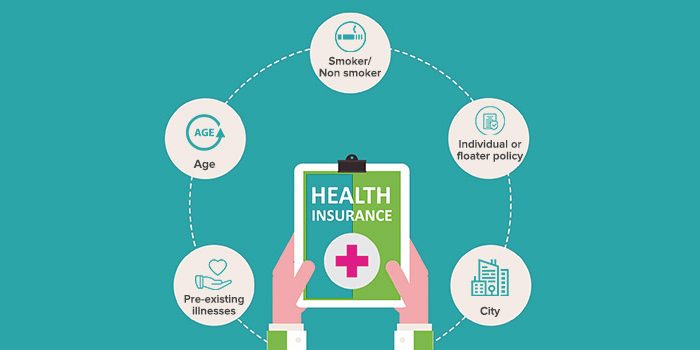
The core mechanism of insurance pricing revolves around the concept of a risk pool. Carriers group thousands of policyholders together to spread the financial risk of catastrophic illness. If a pool contains too many sick patients and not enough healthy individuals to offset the costs, the carrier must raise premiums for everyone. The Affordable Care Act strictly regulates which personal factors insurers use to adjust an individual’s rate. They evaluate your age, your geographic location, your tobacco use, and the size of your enrolled family.
They cannot charge you more for pre-existing conditions or your gender. A 60-year-old pays significantly more than a 25-year-old. Federal law caps that age-rating ratio at three-to-one. The Kaiser Family Foundation continuously tracks how these age and location demographics cause premium variations from state to state. Analyzing the top-rated health insurance companies in your specific zip code provides a clear picture of how local risk pools dictate your baseline monthly bill.
Hospital Consolidation And Regional Care Costs
The actual cost of delivering medical care heavily influences premium calculations. If a carrier operates in a market dominated by a single, massive hospital system, that hospital holds all the negotiating power. The hospital demands higher reimbursement rates for surgeries, emergency room visits, and basic imaging. The insurance company pays these inflated facility fees and then passes the financial burden straight to the consumer through higher annual premiums.
Federal law enforces a Medical Loss Ratio standard to prevent outright corporate price gouging. This rule requires carriers to spend at least 80 percent of premium revenue directly on clinical care and quality improvement. If they spend too much on administrative salaries or shareholder profits, they must issue rebate checks to their subscribers. The Centers for Medicare & Medicaid Services audits these corporate ledgers annually to confirm compliance. Seniors researching the cheapest $0 premium Medicare Advantage plans see this dynamic in action. Carriers rely on heavy government funding instead of direct consumer premiums to maintain those specific regional networks.
Federal And State Regulatory Oversight
Health insurance pricing faces intense government scrutiny before the public ever sees the new rates. Carriers submit their proposed premium increases to state insurance commissioners months in advance. Actuaries file detailed justifications showing exactly why they need more revenue. They point to rising prescription drug costs, projected increases in hospital admissions, and general economic inflation.
State regulators review these filings to determine if the proposed rate hikes meet legal standards. If a commissioner finds the increase unreasonable, they possess the authority to reject or reduce the carrier’s request. Insurance companies often utilize advanced predictive models and AI health insurance assistants to analyze millions of claims and generate these precise financial forecasts. The National Association of Insurance Commissioners provides guidelines to help state regulators interpret these dense, algorithm-driven rate filings. This oversight prevents carriers from arbitrarily doubling their prices to cover administrative mistakes.
How Consumers Can Control Their Costs
Patients possess limited power to change macroeconomic hospital trends or federal age-rating rules. They can aggressively manage their own financial exposure. Blindly auto-renewing a policy guarantees that you absorb the carrier’s latest rate increase. Actively shopping the marketplace forces insurance companies to compete for your business.
Consumers must compare the premium cost against the plan’s out-of-pocket maximums and network restrictions. A lower monthly premium often hides massive deductibles that trigger after a single emergency room visit. Adjusting your metal tier, securing available tax credits, and utilizing health savings accounts provide the best defense against corporate rate hikes. The market penalizes passive consumers. Active engagement during open enrollment remains the only effective strategy for controlling your medical budget.
Premium Pricing Factors At A Glance
| Pricing Factor | How It Functions | Direct Impact On Patients |
| Risk Pools | Carriers balance the costs of sick and healthy enrollees | Determines the baseline financial stability of the entire health plan |
| Age And Location | Insurers adjust rates based on demographic risk | Older adults and rural residents face systematically higher monthly bills |
| Hospital Rates | Facilities demand higher reimbursements for daily care | Forces insurance carriers to raise premiums to cover local medical inflation |
| State Oversight | Regulators review and approve requested rate increases | Protects consumers from unjustified corporate price gouging |
How Healthcare Startups Are Disrupting Traditional Insurance Models
The commercial health insurance market has operated on the same sluggish infrastructure for decades. Patients pay high premiums, providers spend hours fighting administrative red tape, and massive corporate carriers retain the profits. This entrenched fee-for-service system routinely frustrates consumers and drives up medical debt. Now, a wave of well-funded healthcare startups is systematically dismantling this outdated approach. These companies pair modern technology with aggressive new business models to bypass legacy carriers entirely.
By treating the patient as a consumer rather than a guaranteed revenue stream, these emerging companies force severe structural changes across the medical sector. They use transparent pricing, instant approvals, and digital-first primary care to offer a fundamentally better product. Examining how these innovative firms operate reveals the future of personal medical coverage. Patients who grasp these shifts can actively choose plans that protect their finances and provide immediate access to clinical care.
The Rise Of Tech-Enabled Health Plans
Legacy insurers rely on fragmented networks and confusing coverage tiers to manage financial risk. Newer tech-enabled health plans operate differently. Companies known as insurtechs build their entire infrastructure on cloud-based analytics. They design coverage around the actual clinical outcomes of the patient. If a specific preventive treatment keeps a subscriber out of the emergency room, the startup covers it completely with zero out-of-pocket cost.
These digital-first carriers partner directly with local physicians to create tight, high-value networks. They share the financial savings with the doctors. The Commonwealth Fund tracks how these value-based arrangements drastically lower overhead for both the clinic and the consumer. This lean structure allows startups to offer competitive rates during open enrollment. Many consumers find these modern options highly attractive when comparing the top-rated health insurance companies in their local market.
Using Artificial Intelligence To Fight Claim Denials
Securing approval for a necessary medical procedure remains one of the most stressful parts of being a patient. Traditional insurers frequently use automated algorithms to deny claims in bulk. They bet that exhausted patients will simply give up and pay the bill themselves. Healthcare startups are flipping this exact dynamic in favor of the consumer. Consumer advocacy firms now build custom software to fight back against wrongful denials.
These consumer-focused platforms ingest complex medical records and automatically draft highly technical appeal letters. They cite the exact medical guidelines required to overturn an insurer’s initial rejection. The American Medical Association continuously highlights the heavy toll prior authorizations take on patient health. Startups alleviate this pressure by turning the appeal process into a fast, digital workflow. Patients gain a massive advantage when they employ independent AI health insurance assistants to audit their hospital bills and force legacy carriers to honor their coverage contracts.
Moving Toward Direct Primary Care Subscriptions
Another aggressive market disruption comes from companies abandoning the insurance billing process altogether for routine medicine. The Direct Primary Care model allows patients to pay a flat monthly membership fee directly to a physician’s office. This subscription grants the patient unlimited physical visits, around-the-clock telehealth access, and wholesale prices on basic prescription drugs. No insurance company acts as the middleman.
Doctors embrace this model to escape crushing administrative workloads. They spend actual time with their patients instead of typing billing codes into a computer. Patients pair these affordable subscriptions with catastrophic health plans to cover major emergencies. Independent actuaries at the Kaiser Family Foundation report that separating daily preventative care from traditional insurance risk pools creates massive financial efficiencies. This strategy directly combats the root causes of rising healthcare costs by stripping away corporate overhead from simple doctor visits.
Streamlining Chronic Disease Management
Managing a chronic illness like diabetes or cardiovascular disease requires constant attention. The standard insurance model treats chronic care as a series of isolated, expensive hospital events. Modern startups treat it as a continuous daily process. They ship cellular-connected blood pressure cuffs and continuous glucose monitors straight to the patient’s front door.
Clinical teams monitor the patient’s biometric data in real-time. If a patient’s blood sugar spikes dangerously high, a nurse practitioner instantly sends a text message to intervene. This proactive approach stops minor fluctuations from turning into severe medical emergencies. Employers increasingly prefer to hire these specialized chronic care startups rather than relying on bloated corporate wellness programs. This shift forces legacy insurers to adopt similar digital monitoring tools just to remain relevant in the commercial market.
What This Means For Your Next Enrollment Period
The arrival of well-funded disruptors shifts the market leverage back toward the patient. Legacy carriers can no longer rely on brand recognition to retain their subscribers. They must prove their financial value every single year. Patients must treat open enrollment as an opportunity to audit the market.
Review your current policy’s digital tools. Check if your carrier offers transparent pricing calculators or free telehealth consultations. If a legacy provider still relies on physical paperwork and confusing phone trees, it is time to explore the newer, tech-enabled options available in your state. Engaging with these disruptive startups rewards efficiency and forces the entire medical sector to deliver better, faster, and cheaper care.
Insurtech vs Traditional Insurance At A Glance
| Business Model | How It Functions | Direct Impact On Patients |
| Legacy Insurance | Uses fragmented networks and fee-for-service billing | Creates high out-of-pocket costs and confusing denial letters |
| Tech-Enabled Plans | Focuses on clinical outcomes and transparent pricing | Lowers premiums through shared-savings agreements with local doctors |
| Claim Advocacy Tools | AI generates rapid medical appeals for rejected procedures | Forces large carriers to overturn wrongful denials immediately |
| Direct Primary Care | Patients pay a flat monthly subscription directly to the clinic | Secures unlimited doctor access with zero insurance paperwork |
Why You Must Compare Health Insurance Plans to Lower Your Costs
The American healthcare system is uniquely dependent on free-market dynamics to control the massive financial burden of medical care. In theory, when multiple insurance carriers operate within the same geographic region, they must aggressively vie for the consumer’s business. This corporate rivalry forces companies to operate more efficiently, resulting in lower monthly premiums, broader access to top-tier physicians, and a significant reduction in out-of-pocket expenses for the average policyholder. However, these financial benefits only materialize when consumers actively take the time to compare health insurance plans rather than passively auto-renewing their coverage.
However, true market competition is not uniform across the United States. In rural counties where a single carrier holds a monopoly, patients routinely face astronomical deductibles and rigid, unforgiving coverage limits. Conversely, in densely populated urban centers where half a dozen carriers battle for market share, the consumer frequently emerges victorious. Understanding how this corporate rivalry mechanically drives down the cost of care is essential for any patient looking to maximize their benefits and protect their household budget during annual open enrollment.
The Mechanics Of Market Share And Premium Pricing
The most immediate and visible benefit of a highly competitive insurance market is the stabilization of monthly premiums. Health insurance companies are ultimately driven by the need to capture and retain a massive pool of subscribers, as a larger risk pool helps them absorb the cost of catastrophic medical claims. When multiple insurers operate in the same zip code, they cannot arbitrarily inflate their monthly rates without instantly losing thousands of healthy, profitable enrollees to a rival plan down the street.
To attract savvy consumers, these carriers are forced to operate on razor-thin administrative margins. They must precisely calculate their actuarial risks and price their benchmark Silver plans aggressively just to remain relevant on the public exchanges. Extensive tracking of Affordable Care Act marketplace competition consistently demonstrates that regions with three or more active insurance carriers experience significantly slower premium growth year over year compared to regions dominated by a single corporate entity. For families trying to balance a tight budget, researching the top-rated health insurance companies in their specific area is the first step in leveraging this market rivalry to their financial advantage.
Forcing Tougher Negotiations With Hospital Networks
While lower premiums attract the consumer, an insurer must actually manage the raw cost of medical care to survive. This means that a competitive insurance market inherently forces carriers to become aggressive negotiators when dealing with massive hospital systems. If an insurance company holds a monopoly in a region, they often take the path of least resistance, accepting a hospital’s high reimbursement demands and simply passing that extra cost onto the consumer through premium hikes.
However, when insurers must compete on price, they cannot afford to absorb inflated hospital facility fees. To keep their policies affordable, carriers must build highly efficient, high-value provider networks. They do this by demanding steeper discounts from local hospitals in exchange for funneling their large subscriber base to those specific facilities. If a hospital refuses to lower its prices, the competitive insurer will simply exclude them from their network, partnering instead with independent ambulatory surgical centers or rival clinics. Independent economic research regarding hospital and insurer market concentration continually proves that when insurers are forced to fight for their subscribers, they fight much harder against localized hospital price gouging.
Expanding Coverage And Zero-Dollar Premium Benefits
Price is not the only battlefield where health insurers compete; they also wage war over the actual value of the medical benefits they provide. When carriers cannot lower their monthly premiums any further without risking insolvency, they attempt to lure consumers away from competitors by adding lucrative, supplementary perks to their standard policies. This dynamic is most vividly illustrated in the rapidly expanding Medicare space, where private insurers manage government-funded benefits for older adults.
In highly contested senior markets, carriers routinely offer zero-dollar premium policies that include extensive dental coverage, vision exams, hearing aids, and even prepaid grocery allowances. Because the government pays these carriers a set rate per enrollee, the insurers must use those funds creatively to build the most attractive package possible. By actively comparing the cheapest $0 premium Medicare Advantage plans, seniors directly benefit from this corporate arms race. Federal data tracking Medicare Advantage enrollment and plan choices proves that as the number of competing plans in a county increases, the sheer volume of extra, non-medical benefits offered to the patient expands proportionately.
The Role Of Technology In Consumer Choice
As we move deeper into 2026, the battleground for insurance competition is shifting from the hospital boardroom to the smartphone screen. Modern consumers demand seamless, frictionless experiences, and insurance carriers are investing heavily in digital infrastructure to outpace their rivals. The companies that dominate the modern market are those that process claims the fastest, offer the most intuitive telehealth portals, and provide transparent, real-time cost estimators for upcoming surgeries.
To maintain their competitive edge, progressive carriers are increasingly deploying AI health insurance assistants to help their members navigate complex billing issues and instantly locate the cheapest in-network pharmacies. This technological competition forces the entire industry to abandon outdated, paper-based administrative processes. When insurers compete to provide the best customer experience, patients spend less time fighting over denied claims on the phone and more time actually focusing on their health.
What This Means For Your Annual Enrollment Strategy
The financial benefits of a competitive health insurance market only materialize if the consumer actively participates in the process. The insurance industry relies heavily on consumer inertia; carriers assume that the majority of their subscribers will passively auto-renew their existing plans, even if the premiums increase or the network shrinks. To truly capitalize on market competition, patients must treat open enrollment as a critical annual financial audit.
Refusing to shop around effectively tells the market that they do not need to fight for your business. By ruthlessly comparing plans, scrutinizing out-of-pocket maximums, and demanding better preventative coverage every single year, the American consumer forces the healthcare industry to innovate. Competition is the most powerful regulatory force in modern medicine, but it requires an educated, engaged patient to pull the lever.
Health Insurance Competition At A Glance
| Market Dynamic | How It Functions | Direct Impact On Patients |
| Premium Stabilization | Carriers lower prices to prevent subscribers from switching to rivals | Slows the annual growth rate of monthly insurance bills |
| Network Negotiations | Insurers demand steeper discounts from hospitals to keep plans affordable | Prevents localized hospital monopolies from unchecked price gouging |
| Benefit Expansion | Companies add dental, vision, and wellness perks to attract enrollees | Increases the total financial value of a standard health policy |
| Technological Innovation | Insurers upgrade digital tools to provide a better customer experience | Makes finding in-network care and managing claims significantly easier |
How Health Insurance Covers 24 Hour Clinics and Urgent Care

Medical emergencies rarely adhere to standard business hours. When a sudden illness or minor injury strikes in the middle of the night, the traditional primary care office is closed, leaving patients scrambling for immediate alternatives. To fill this critical access gap, the healthcare market has seen a massive proliferation of 24 hour clinics. These brightly lit facilities located in suburban strip malls and busy intersections offer unparalleled convenience, promising rapid treatment without the chaotic wait times of a traditional hospital emergency department.
However, from a financial perspective, walking through the sliding doors of an after-hours medical facility is a significant gamble for the uninformed consumer. The American health insurance system categorizes, codes, and reimburses these physical locations very differently depending on their specific licensing. For the patient, failing to understand the administrative distinction between a 24-hour urgent care and a 24-hour freestanding emergency room can be the difference between a simple fifty-dollar copayment and a devastating, unexpected medical bill that runs into the thousands.
The Critical Difference Between Urgent Care And Freestanding ERs
The most dangerous financial trap in after-hours medicine is the visual similarity between different types of 24-hour clinics. To a sick patient at two in the morning, a 24-hour urgent care clinic and a 24-hour freestanding emergency room look virtually identical from the parking lot. However, insurance companies treat them as entirely separate entities. An urgent care center is licensed to handle non-life-threatening conditions like strep throat, minor lacerations, and sprains. A freestanding ER, despite not being attached to a hospital, is legally licensed as an emergency department and is fully equipped with advanced imaging machines and complex life-saving capabilities.
Because of this licensing difference, a freestanding ER will universally charge a massive facility fee just for the privilege of walking through the door, regardless of how minor the patient’s actual condition may be. If a patient visits a 24-hour freestanding ER for a simple sinus infection, their insurance company will process the claim under emergency billing codes rather than standard clinical codes. This fundamental mismatch between the severity of the illness and the billing classification of the facility is a primary driver of rising healthcare costs for both the insurer and the individual policyholder.

How Insurance Networks Dictate Your Out-Of-Pocket Costs
Beyond facility licensing, the network status of the 24-hour clinic is the ultimate determining factor in a patient’s final out-of-pocket responsibility. Insurance companies negotiate highly discounted reimbursement rates with specific urgent care chains and regional medical groups. When a patient visits an in-network clinic, they are contractually protected from exorbitant charges. Conversely, visiting an out-of-network clinic allows the facility to bill the insurance company—and potentially the patient—at their maximum retail rate.
Fortunately, recent federal legislation has offered consumers some protection against the most aggressive billing tactics. Under the regulations of the federal No Surprises Act, if a patient receives care at an out-of-network 24-hour emergency facility, the insurance company must process the claim as if it were in-network, and the facility is legally barred from balance-billing the patient for the remainder. However, it is vital to note that these robust protections generally apply to emergency rooms, not always to standard urgent care clinics, meaning network vigilance remains a mandatory responsibility for the consumer.
Navigating Copayments, Coinsurance, And Deductibles
The way a health plan structures its cost-sharing heavily influences the financial impact of a late-night clinic visit. For a true 24-hour urgent care visit, most modern health insurance policies simply require a flat-rate copayment, usually ranging between forty and eighty dollars. Once this copayment is collected at the front desk, the patient generally faces no further financial obligations for the standard physician consultation and basic diagnostic testing performed during that visit.
Emergency room coverage operates on a much more complex mathematical model. Instead of a simple copay, most health plans require the patient to meet their annual deductible before covering emergency facility fees. Once the deductible is met, the patient is still responsible for a percentage of the total bill, known as coinsurance. Because 24-hour freestanding ERs frequently bill thousands of dollars for basic diagnostic panels and physician evaluations, a patient who has not yet met their annual deductible will bear the entire brunt of these inflated after-hours charges.
What This Means For Your Household Healthcare Strategy
Relying on a 24-hour clinic is a practical necessity in modern life, but utilizing these facilities efficiently requires proactive planning. The absolute worst time to verify your insurance network is during a medical crisis at three in the morning. Consumers must engage with their health insurance portals during times of wellness to map out exactly which local, 24-hour urgent care centers are officially designated as in-network providers.
Furthermore, patients should strongly consider utilizing their insurance carrier’s 24/7 telehealth services as a preliminary screening tool. In many cases, a virtual consultation can accurately diagnose minor infections or prescribe necessary antibiotics at a fraction of the cost of a physical clinic visit. By understanding the severe billing differences between facility types and strictly adhering to network guidelines, patients can secure the after-hours medical care they need without sacrificing their financial stability.
24-Hour Clinic Billing At A Glance
| Facility Type | How Insurance Processes The Claim | Impact On Patient Finances |
| 24-Hour Urgent Care | Billed under standard outpatient clinical codes | Usually results in a predictable, flat-rate copayment |
| Freestanding ER | Billed with high-cost emergency facility fees attached | Often triggers the annual deductible and expensive coinsurance |
| In-Network Clinics | Costs are limited by heavily discounted, pre-negotiated rates | Protects the patient from balance billing and surprise charges |
| Telehealth Services | Virtual visits processed at a highly reduced or zero-dollar rate | Offers the cheapest after-hours alternative for minor medical issues |
