
Connect with Us


Out-of-Pocket Costs Explained: Copays, Deductibles, & Coinsurance

For millions of Americans, selecting a health insurance plan is a decision driven almost entirely by the monthly premium. However, the premium is merely the entry fee to the healthcare system. The true financial impact of medical care is determined long after the monthly bill is paid, manifesting at the pharmacy counter, the specialist’s office, and the hospital billing department. These secondary expenses, collectively known as out-of-pocket costs, form the structural foundation of how medical risk is shared between the insurance company and the patient.
Navigating the American healthcare system without a firm grasp of these financial mechanics leaves consumers highly vulnerable to medical debt. Insurance contracts are built on a complex sequence of financial thresholds, dictating exactly who pays for what, and when. By understanding the distinct roles of copayments, deductibles, and coinsurance, patients can transition from passive participants into strategic healthcare consumers, actively protecting their household wealth from unexpected medical emergencies.
The Financial Threshold Of The Annual Deductible
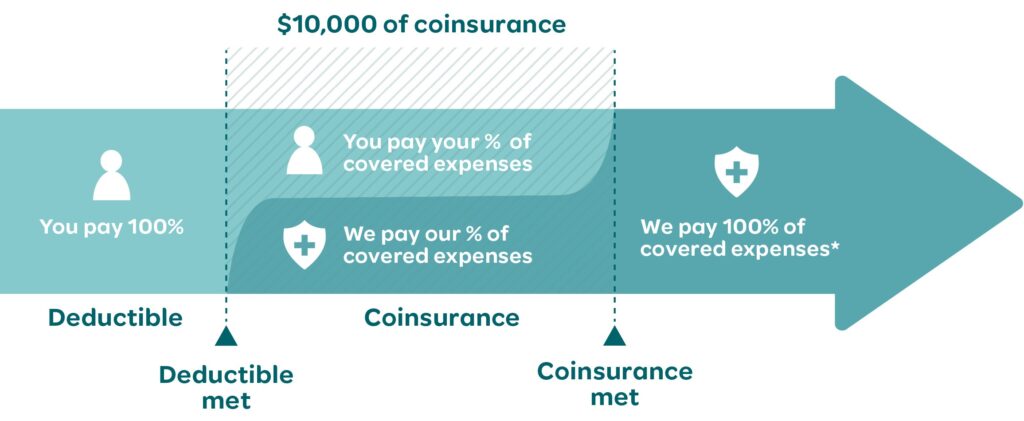
The deductible is arguably the most critical variable in any health insurance policy. It represents the fixed dollar amount a patient must pay entirely out of their own pocket for covered medical services before the insurance company begins to share the financial burden. If a policy has a $3,000 annual deductible, the patient is responsible for paying the full negotiated rate for their doctor visits, diagnostic tests, and procedures until that $3,000 threshold is met.
In recent years, the market has seen a massive shift toward High-Deductible Health Plans (HDHPs). Insurance carriers offer lower monthly premiums in exchange for shifting the initial financial risk directly onto the consumer. While this structure works well for young, healthy individuals who rarely utilize medical services, it can act as a severe barrier to care for those managing chronic illnesses. When the deductible resets at the beginning of every calendar year, patients must be financially prepared to absorb the immediate shock of raw healthcare pricing.
Navigating The Predictability Of Copayments
Unlike the deductible, which fluctuates based on the raw cost of medical services, a copayment offers consumers an element of strict financial predictability. A copay is a flat, predetermined fee charged for a specific medical service. For example, a policy might dictate a $25 copay for a primary care visit, a $50 copay for a specialist, or a $15 copay for a generic prescription drug. This allows patients to know exactly what a standard medical interaction will cost before they even walk through the clinic doors.
One of the most valuable aspects of copayments is that they frequently bypass the deductible phase entirely. Many insurance plans are structured so that routine doctor visits and tier-one medications require only a copay from day one, offering immediate financial relief without forcing the patient to exhaust their full deductible first. However, patients must read their plan documents carefully, as an increasing number of aggressive policies now require the deductible to be fully met before copay structures are allowed to activate.
The Complex Math Behind Coinsurance
Coinsurance represents the most mathematically complex—and potentially dangerous—phase of medical billing. Once a patient has successfully paid down their annual deductible, the insurance company finally steps in to help. However, they rarely cover the remaining bills entirely. Instead, the costs are split based on a predetermined percentage, known as coinsurance. The most common arrangement is an 80/20 split, where the insurer pays 80 percent of the negotiated medical bill, and the patient is billed for the remaining 20 percent.
While paying 20 percent sounds manageable for a minor procedure, it becomes catastrophic during a major medical event. If a patient requires an emergency surgery that results in a $100,000 hospital bill, a 20 percent coinsurance responsibility equates to a devastating $20,000 out-of-pocket invoice. Because coinsurance is tied to the total cost of the procedure rather than a flat fee, it leaves the patient entirely exposed to the inflated pricing dynamics driving rising healthcare costs across the country.
The Ultimate Safety Net: The Out-Of-Pocket Maximum
To prevent patients from being permanently bankrupted by catastrophic coinsurance bills, the federal government mandates that all ACA-compliant health plans include a definitive financial ceiling. This is known as the out-of-pocket maximum. It represents the absolute highest amount a patient can be forced to pay for covered, in-network medical care during a single calendar year. Once this limit is reached through a combination of the deductible, copayments, and coinsurance, the insurance carrier is legally obligated to pay 100 percent of all remaining covered medical expenses.
Understanding and monitoring this limit is the single most important strategy for anyone facing a severe illness or planning a major surgery. According to the strict federal out-of-pocket limits established for 2026, insurance companies cannot force a consumer to pay endlessly for life-saving care. Hitting the out-of-pocket maximum transforms the insurance policy into a limitless safety net, finally delivering the comprehensive financial protection the consumer has been paying for all year.
What This Means For Your Health Coverage Strategy
When evaluating insurance options during open enrollment, the monthly premium should be the last metric you consider, not the first. The true value of a health plan is determined by how it balances the deductible, copays, and the out-of-pocket maximum against your family’s anticipated medical needs. A low-premium plan may seem financially attractive in November, but it can quickly become a massive liability in March if a sudden illness forces you to bear a massive deductible and steep coinsurance rates.
Ultimately, mastering the terminology of medical billing empowers you to forecast your financial exposure. By predicting your routine medication needs, analyzing the copay structures of your preferred plan, and maintaining an emergency savings fund equivalent to your out-of-pocket maximum, you can navigate the modern healthcare system with confidence. Health insurance is a complex financial contract, and reading the fine print is the only way to ensure it actually works in your favor.
Out-Of-Pocket Costs At A Glance
| Terminology | How It Functions | Impact On Your Budget |
|---|---|---|
| Deductible | The fixed amount you pay before insurance coverage begins | Requires significant cash reserves at the start of the year |
| Copayment | A flat, predictable fee for specific routine services or drugs | Offers immediate cost certainty for doctor visits and prescriptions |
| Coinsurance | A percentage-based split of medical costs after the deductible is met | Leaves you vulnerable to massive bills for complex hospital stays |
| Out-Of-Pocket Maximum | The absolute legal limit on your yearly medical spending | Acts as the ultimate financial safety net for catastrophic illnesses |
How Health Savings Accounts Help Families Manage Medical Costs

As medical inflation continues to outpace standard wage growth, the American family is increasingly forced to shoulder a heavier percentage of their own healthcare expenses. With traditional health plans shifting toward higher deductibles and steeper out-of-pocket maximums, navigating a sudden medical emergency can quickly destabilize a household budget. In response to this financial pressure, Health Savings Accounts (HSAs) have evolved from a niche corporate benefit into a fundamental pillar of modern financial planning.
Unlike standard medical insurance, an HSA is an actual financial asset owned entirely by the patient. It allows consumers to set aside pre-tax dollars specifically designated for qualified medical expenses, ranging from routine dental work to unexpected hospital facility fees. As we move through 2026, understanding how to strategically leverage these accounts is absolutely essential for any family looking to insulate their finances against the relentless surge of modern medical billing.
The Power Of The Triple Tax Advantage
The primary reason financial experts heavily advocate for Health Savings Accounts is their unique, unprecedented tax structure. HSAs are widely considered to be the most tax-advantaged savings vehicle available in the United States, offering a “triple tax advantage” that even traditional retirement accounts cannot match. First, all contributions made into the account are completely tax-deductible, meaning they lower your total taxable income for the year regardless of whether you itemize your tax returns.
Secondly, once the money is deposited into the HSA, it grows completely tax-free. Many modern accounts allow families to invest their unused balances into mutual funds and index funds, generating compound interest that the government cannot tax. Finally, as long as the funds are withdrawn to pay for qualified medical expenses, those withdrawals remain entirely tax-free. This remarkable structure ensures that every single dollar placed into an HSA retains its maximum purchasing power when a family needs it most.
Eligibility And High-Deductible Health Plans
Despite their incredible financial benefits, Health Savings Accounts are not universally available to every healthcare consumer. To legally open and contribute to an HSA, federal regulations mandate that a patient must be actively enrolled in a qualified High-Deductible Health Plan (HDHP). These specific insurance policies are characterized by lower monthly premiums but require the patient to pay a significant amount out-of-pocket before the insurance carrier begins to cover non-preventative medical claims.
For many consumers transitioning to an HDHP through their employer-sponsored health insurance, the initial prospect of a massive deductible can be terrifying. However, the HSA acts as the vital financial counterbalance to this risk. By taking the money saved on lower monthly premiums and aggressively depositing it into the HSA, families can build a dedicated cash reserve to safely cover that high deductible in the event of a catastrophic illness or injury.
Navigating The 2026 Contribution Limits
To prevent wealthy individuals from using these accounts as unlimited tax shelters, the federal government strictly caps how much money can be deposited into an HSA each year. These limits are adjusted annually for inflation. For the 2026 calendar year, the official IRS guidelines for Health Savings Accounts dictate that an individual with self-only HDHP coverage can contribute up to $4,400. For those navigating healthcare as a household, the family contribution limit has been raised to $8,750.
Additionally, older adults receive a slight financial advantage to help them prepare for their approaching senior years. Individuals who are 55 or older are legally permitted to make an extra $1,000 “catch-up” contribution annually. It is critically important for families to monitor these limits closely, as overcontributing to the account will trigger a harsh excise tax penalty from the IRS, negating many of the financial benefits the account was designed to provide.
Preparing For Long-Term Healthcare Needs
One of the most profound, yet frequently misunderstood, features of a Health Savings Account is that the funds never expire. Unlike a Flexible Spending Account (FSA), which operates on a rigid “use-it-or-lose-it” annual schedule, an HSA rolls over indefinitely. If a young, healthy family contributes the maximum amount for several years without facing major medical emergencies, they can effectively build a massive, tax-free war chest for the future.
This rollover feature transforms the HSA from a simple checking account into a vital retirement asset. Because Medicare does not cover all out-of-pocket expenses, dental care, or long-term nursing facilities, seniors frequently face crippling medical debt. By aggressively funding an HSA during their peak earning years and allowing the investments to compound, families can guarantee they have a dedicated, tax-free income stream specifically reserved for the heavy medical costs associated with aging.
What This Means For Your Family Budget
Ultimately, managing medical costs in the modern era requires a proactive, strategic mindset. Relying solely on health insurance to protect your wealth is no longer a viable strategy; patients must actively build their own safety nets. When evaluating your coverage options during open enrollment, you must weigh the predictability of a traditional low-deductible plan against the long-term wealth-building potential of an HDHP paired with a fully funded HSA.
For families willing to navigate the complexities of medical billing and manage their out-of-pocket expenses diligently, the Health Savings Account is an unmatched financial tool. It reclaims a small fraction of power from the massive corporate healthcare system and places it directly back into the hands of the consumer, ensuring that a medical emergency does not have to become a permanent financial disaster.
Health Savings Accounts At A Glance
| HSA Feature | How It Functions | Impact On Your Family |
| Triple Tax Advantage | Contributions, growth, and medical withdrawals are all tax-free | Maximizes the purchasing power of your healthcare dollars |
| HDHP Requirement | You must be enrolled in a High-Deductible Health Plan to contribute | Pairs low monthly insurance premiums with a dedicated cash reserve |
| 2026 Limits | Individuals can save up to $4,400; families can save up to $8,750 | Establishes strict federal boundaries for annual tax-deductible savings |
| Rollover Capability | Funds never expire and roll over continuously year after year | Allows healthy families to build a massive medical nest egg for retirement |
How AI Medical Notes Are Transforming the Doctor-Patient Experience
For the past decade, a common and frustrating scene has played out in examination rooms across the country: a patient shares their deeply personal health concerns while the physician types furiously, staring at a computer monitor instead of making eye contact. The widespread adoption of Electronic Health Records (EHRs) revolutionized medical data, but it also turned highly trained doctors into glorified data entry clerks. However, the rapidly expanding use of AI medical notes is fundamentally reversing this trend. By utilizing advanced ambient listening technology, artificial intelligence is stepping in to handle the heavy administrative burden, allowing physicians to finally turn their attention back to the patient.
As we move through 2026, these digital scribes are doing much more than simply transcribing conversations. They are actively structuring clinical data, identifying potential diagnoses, and streamlining the complex medical coding process. While this represents a massive leap forward for clinical efficiency, it also introduces a new layer of complexity to the business of healthcare. For the everyday consumer, understanding how artificial intelligence translates a private conversation into an official insurance claim is crucial for ensuring both the accuracy of their medical record and the privacy of their health data.
The Administrative Burden Of Modern Healthcare
To understand why artificial intelligence is so desperately needed in the examination room, one must understand the crushing weight of modern medical documentation. For every hour a physician spends face-to-face with a patient, they typically spend up to two additional hours navigating complex software interfaces, clicking through drop-down menus, and writing clinical summaries. This administrative bloat is a leading cause of physician burnout, driving many experienced doctors into early retirement and exacerbating the national shortage of primary care providers.
This documentation crisis is largely driven by the demands of commercial health insurance. Insurers require an exhaustive level of detail to justify the medical necessity of a treatment before they will approve a claim. If a doctor fails to document a specific symptom or omits a required billing code, the insurance company will swiftly deny the reimbursement. Consequently, doctors are forced to focus as much on writing the perfect, audit-proof note as they are on delivering high-quality medical care.

How Ambient Clinical Scribes Actually Work
The latest generation of AI medical notes relies on ambient clinical intelligence. When a patient consents to the use of the technology, a secure smartphone application or dedicated microphone passively listens to the entire consultation. Unlike older dictation software where the doctor had to speak like a robot, these advanced algorithms are trained to understand natural, conversational human speech. They can distinguish between the voices of the doctor, the patient, and even family members in the room, filtering out irrelevant small talk while capturing critical medical details.
Once the visit concludes, the AI instantly synthesizes the conversation into a highly structured clinical note. It automatically organizes the patient’s chief complaint, medical history, physical exam findings, and the doctor’s proposed treatment plan into the precise format required by the hospital’s electronic health record system. The physician then reviews, edits, and legally signs the document. By automating the drafting process, the technology effectively eliminates hours of after-hours paperwork, returning valuable time to the medical staff.
The Impact On Health Insurance Claims And Billing
From a financial perspective, the integration of artificial intelligence into clinical documentation is dramatically altering the hospital revenue cycle. Because these algorithms are programmed to capture every clinically relevant detail mentioned during a visit, the resulting medical notes are often significantly more comprehensive than those typed by a rushed, exhausted physician. This enhanced accuracy leads to more precise medical coding, which directly reduces the frequency of technical insurance denials.
However, this precision also raises concerns about “upcoding,” a practice where medical facilities bill for a more expensive level of care than what was clinically necessary. If the AI aggressively captures every minor ache and pain mentioned in passing, it could inadvertently trigger higher billing tiers. Insurers are already deploying their own AI health insurance assistants to heavily scrutinize these AI-generated claims, setting the stage for a technological arms race between hospital billing departments and corporate insurance auditors.
Addressing Patient Privacy And Data Security
The idea of artificial intelligence listening to intimate medical conversations understandably triggers significant privacy concerns for many patients. Federal law strictly governs how this sensitive audio data can be handled. To comply with the rigorous standards set by the Health Insurance Portability and Accountability Act (HIPAA), top-tier AI scribe developers ensure that the audio recordings are heavily encrypted, securely processed in the cloud, and immediately deleted once the final text transcript is generated.
Furthermore, medical providers are ethically and legally obligated to obtain explicit verbal or written consent before activating an ambient listening device in the exam room. Patients retain the absolute right to decline the use of the technology without facing any disruption or penalty to their medical care. However, as hospital networks rapidly integrate these tools into their standard workflows, patients must remain vigilant about reading the digital privacy disclosures presented during the check-in process.
What This Means For The Everyday Patient
For the American healthcare consumer, the rise of AI-generated documentation represents a massive win for the quality of the doctor-patient relationship. When physicians are freed from their keyboards, consultations become more empathetic, engaging, and thorough. Doctors have the mental bandwidth to pick up on subtle visual cues and ask deeper diagnostic questions, ultimately leading to better clinical outcomes and a more satisfying healthcare experience.
However, the delegation of documentation to an algorithm means patients must take a more active role in reviewing their own health records. Mistakes, or “hallucinations,” where the AI misinterprets a statement or adds incorrect context, can still occur. Patients should routinely request access to their visit summaries through their secure patient portals to ensure their medical history—and the resulting insurance claims—are entirely accurate. Artificial intelligence is an extraordinary tool for modernizing medicine, but the final responsibility for your health data always remains in human hands.
AI Clinical Documentation At A Glance
| Technology Factor | How It Functions | Impact On Patients |
|---|---|---|
| Ambient Listening | AI passively records and understands natural clinical conversations | Allows doctors to maintain eye contact and focus entirely on the patient |
| Automated Drafting | Converts raw audio into structured, EHR-ready clinical summaries | Reduces physician burnout and decreases wait times for appointments |
| Billing Accuracy | Captures comprehensive medical details to support insurance claims | Lowers the rate of claim denials but requires vigilance against upcoding |
| Data Privacy | Encrypts and deletes audio files immediately after transcription | Protects patient information while strictly adhering to federal HIPAA laws |
Why Healthcare Costs Keep Rising in the U.S. and What Patients Can Do
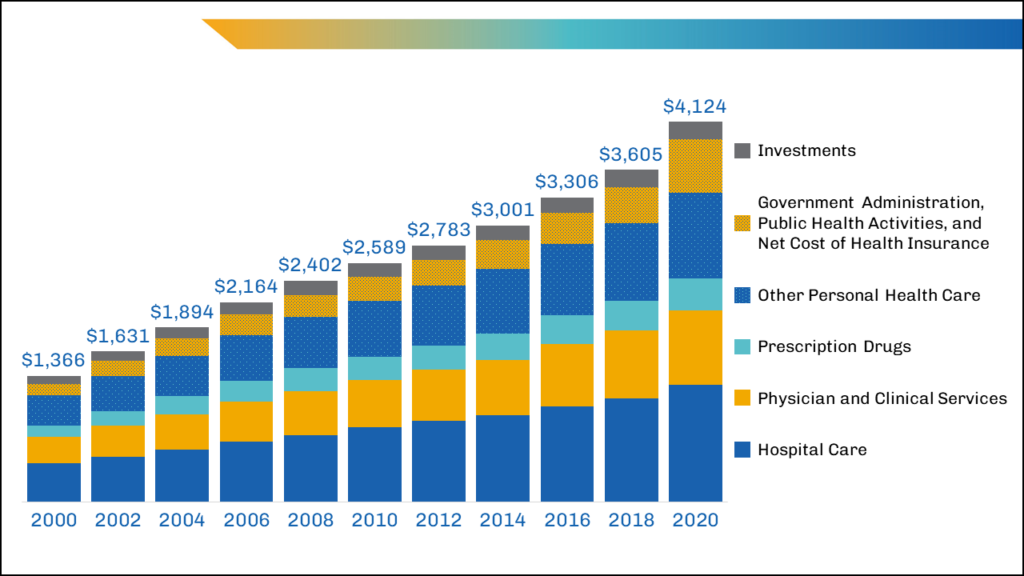
For the average American consumer, paying for medical care feels like an increasingly impossible financial hurdle. Moving through 2026, industry experts and actuaries anticipate that national healthcare costs will surge by eight to ten percent, significantly outpacing standard economic inflation. This relentless upward trajectory is not merely the result of a single broken policy, but rather a complex convergence of pharmaceutical breakthroughs, shifting demographics, and aggressive corporate consolidation.
Understanding why these expenses continue to climb is essential for anyone trying to navigate their annual enrollment period or decipher a frustrating hospital bill. While the macroeconomic forces driving the American medical system often feel entirely out of the patient’s control, identifying where the money is actually flowing empowers consumers to make strategic, defensive decisions about their personal health insurance coverage.
The Impact Of Hospital Consolidation On Pricing
One of the most significant yet least visible drivers of medical inflation is the aggressive consolidation of local healthcare markets. Over the last decade, massive regional health systems have systematically acquired independent physician practices, local clinics, and competing hospitals. This aggressive merging effectively creates regional monopolies, eliminating the natural market competition that typically keeps consumer prices in check.
When a single hospital system controls the vast majority of specialty care and emergency rooms in a specific county, they gain immense negotiating leverage. They use this dominance to demand significantly higher reimbursement rates from commercial insurance carriers. As we previously outlined in our analysis of the business of healthcare, insurance companies rarely absorb these rate hikes entirely. Instead, they pass the financial burden directly onto the consumer in the form of higher monthly premiums and steeper annual deductibles.
The Exploding Cost Of Specialty Drugs And GLP-1s
Pharmaceutical innovation is another primary catalyst for rising healthcare costs. The drug development pipeline has shifted dramatically away from low-cost, mass-market pills and toward highly complex specialty medications. Treatments like customized cell and gene therapies offer miraculous, life-saving potential for rare diseases and aggressive cancers, but they frequently launch with multi-million-dollar price tags that strain the entire health insurance risk pool.
Adding intense pressure to this dynamic is the unprecedented surge in demand for GLP-1 agonist medications. Originally developed for diabetes management, these high-cost injectables are now widely utilized for weight loss. With millions of Americans suddenly relying on medications that cost upwards of $1,000 per month indefinitely, employers and health plans are struggling to absorb the massive financial shock. This pharmaceutical spending boom forces insurers to constantly adjust their formularies and shift more prescription costs to the patient’s out-of-pocket maximum.
The Financial Burden Of An Aging Population
Demographics are fundamentally altering the economics of American medicine. The U.S. population is rapidly aging, with millions of individuals aging into their senior years and requiring exponentially more medical intervention. Older adults naturally utilize a disproportionate share of healthcare resources, frequently managing multiple, compounding chronic conditions such as heart disease, diabetes, and osteoarthritis simultaneously.
This demographic reality creates a volume problem for the healthcare system. Even if the unit price of a single doctor’s visit remained flat, the sheer frequency of required visits, diagnostic tests, and long-term care admissions for an aging population drives the total national healthcare expenditure upward. To support this massive utilization, healthcare facilities must expand their infrastructure and compete for a limited pool of specialized medical labor, driving up operational costs that eventually trickle down to the individual patient.
How Changing Subsidies Increase Your Out-Of-Pocket Exposure
Federal health policy acts as the final variable in the affordability equation. Throughout the early 2020s, enhanced federal subsidies artificially suppressed the cost of health insurance premiums for millions of middle-income Americans purchasing plans on the public marketplace. However, the expiration of these temporary protections in 2026 has abruptly reinstated strict income limits, causing monthly insurance bills to spike dramatically for households hovering just above the federal poverty line.
As government funding retreats, patients are forced to shoulder a much heavier percentage of the actual, unsubsidized cost of their care. Independent data monitoring from the Peterson-KFF Health System Tracker consistently shows that when policy shifts expose consumers to the raw cost of the medical market, patients frequently delay critical preventative care to save money. Unfortunately, delaying routine care inevitably leads to severe, advanced-stage illnesses that cost substantially more to treat in the long run.
What Patients Can Do To Protect Their Finances
While individual patients cannot stop hospital consolidation or single-handedly rewrite federal subsidy laws, they can adopt defensive financial strategies. The most crucial step is to abandon passive enrollment. During open enrollment, consumers must meticulously compare their plan’s maximum out-of-pocket limits against their anticipated medical needs, rather than simply selecting the policy with the lowest monthly premium.
Furthermore, patients must aggressively scrutinize their medical bills for unbundling errors or unexpected facility fees, which are common tactics used by large hospital systems to maximize revenue. Embracing preventative screenings, utilizing independent ambulatory surgical centers instead of hospital-owned outpatient facilities, and leveraging tax-advantaged Health Savings Accounts (HSAs) are all highly effective methods for insulating a household budget against the relentless surge of modern medical inflation.
Healthcare Cost Drivers At A Glance
| Economic Factor | How It Functions | Direct Impact On Patients |
| Hospital Consolidation | Health systems buy out local competition to gain market monopoly | Drives up regional prices and forces higher commercial insurance premiums |
| Specialty Pharmaceuticals | Massive spending on GLP-1 weight loss drugs and gene therapies | Triggers strict prior authorizations and higher prescription copayments |
| Shifting Demographics | An aging population requires significantly higher volumes of medical care | Increases systemic labor and facility costs that are passed to the consumer |
| Subsidy Expirations | The government rolls back enhanced premium tax credits in 2026 | Exposes middle-income earners to the full, undiscounted cost of health coverage |
The Future of Personalized Medicine and Patient-Specific Treatments

For generations, the medical establishment relied heavily on a one-size-fits-all approach to treating disease. Pharmaceutical companies developed blockbuster drugs designed to work for the “average” patient, and doctors relied on a trial-and-error prescribing method to find what worked best for the individual. Today, the rapid advancement of personalized medicine is entirely upending that traditional model. By leveraging a patient’s unique genetic profile, environment, and lifestyle, modern healthcare is transitioning from reactive symptom management to highly targeted, bespoke medical interventions.
As we navigate 2026, personalized medicine—often referred to as precision medicine—is moving out of specialized oncology wards and into primary care. However, tailoring healthcare to the individual DNA level introduces profound complexities into the business of medicine. While the clinical benefits of delivering the exact right drug at the exact right time are undeniable, the American health insurance system is struggling to adapt its rigid billing structures to accommodate these highly customized, deeply expensive innovations.
The Role Of Pharmacogenomics In Treatment Efficacy
At the core of personalized medicine is the science of pharmacogenomics, which studies how a person’s genetic makeup influences their response to specific medications. A drug that saves one patient’s life might be completely ineffective—or even dangerously toxic—to another patient with a different genetic variant. By mapping these genetic pathways before writing a prescription, physicians can eliminate the dangerous guesswork historically associated with managing complex conditions like cardiovascular disease, depression, and cancer.
This targeted approach fundamentally alters the economics of a patient’s treatment timeline. When doctors bypass ineffective medications, they prevent adverse drug reactions that frequently lead to costly emergency room visits and prolonged hospital stays. Extensive data from the National Human Genome Research Institute underscores that using genetic markers to guide prescribing not only improves patient survivability but holds the potential to drastically reduce overall systemic healthcare waste by ensuring every dollar is spent on a chemically compatible treatment.
Navigating The High Costs Of Genetic Testing
Despite the long-term clinical and financial advantages, the immediate barrier to personalized medicine is the upfront cost of comprehensive genomic profiling. Before a bespoke treatment can be administered, a patient must undergo extensive biomarker or genetic testing to identify the specific mutations driving their disease. These laboratory panels are highly sophisticated and carry price tags ranging from several hundred to thousands of dollars per test.
Health insurance companies remain highly cautious about authorizing broad genetic screening. Because the industry standard still heavily favors traditional diagnostic methods, insurers frequently view advanced genomic panels as investigational unless the patient has a late-stage, life-threatening diagnosis. Much like the financial barriers patients face when seeking gene therapy for rare diseases, securing insurance approval for specialized biomarker testing often requires exhaustive appeals, peer-to-peer physician reviews, and strict proof of medical necessity.

How Insurers Evaluate Patient-Specific Therapies
Once a genetic target is successfully identified, the resulting patient-specific therapies present an even greater financial challenge. Treatments such as CAR-T cell therapy, which involves extracting a patient’s own immune cells, genetically engineering them to attack cancer, and infusing them back into the body, are the ultimate expression of personalized medicine. They are also incredibly expensive, with manufacturing and administration costs that can easily exceed half a million dollars per patient.
Traditional fee-for-service insurance models were not designed to absorb these staggering, single-event claims. To maintain market stability while still offering access to life-saving science, insurers are increasingly demanding outcomes-based contracts from pharmaceutical manufacturers. Under these agreements, the insurance company agrees to cover the massive upfront cost of the personalized therapy, but the manufacturer must issue a substantial financial rebate if the patient does not achieve specific, predefined clinical milestones.
What This Means For Patient Advocacy
For the modern healthcare consumer, the rise of precision medicine demands a highly proactive approach to medical care. Patients facing a serious diagnosis can no longer assume that standard treatment protocols are their only—or best—option. It is increasingly vital to ask oncologists and specialists whether tumor profiling or genetic screening could open the door to targeted clinical trials or bespoke medication regimens.
Simultaneously, patients must be prepared to act as their own financial advocates. As personalized medicine scales, the gap between what science can achieve and what insurance is willing to cover will remain a major friction point. Navigating this new era of healthcare requires understanding your policy’s stance on genetic testing, fiercely challenging coverage denials, and recognizing that the future of medicine is fundamentally linked to the future of healthcare financing.
Personalized Medicine Economics At A Glance
| Healthcare Factor | How It Functions | Impact On Patients |
| Pharmacogenomics | Uses DNA to predict how a patient responds to specific drugs | Reduces trial-and-error prescribing and prevents adverse reactions |
| Biomarker Testing | Scans for genetic mutations to guide treatment decisions | Often faces strict insurance denials and requires prior authorization |
| Bespoke Therapies | Treatments engineered from the patient’s own cells (e.g., CAR-T) | Offers potential cures but drives up facility and specialty drug costs |
| Value-Based Contracts | Insurers tie reimbursement to the clinical success of the therapy | Protects health plan budgets from absorbing the full cost of failed treatments |
How Government Subsidies Help Americans Afford Health Insurance

For millions of Americans, the sheer cost of monthly premiums is the single biggest barrier to maintaining comprehensive medical coverage. Without financial assistance, purchasing a plan on the individual market can quickly consume a disproportionate share of a household’s income. To prevent this, government subsidies are used to bridge the gap between what insurance companies charge and what everyday consumers can realistically afford to pay.
Understanding how these subsidies function is no longer just a matter of public policy; it is a critical component of household financial planning. As the healthcare landscape shifts in 2026, the rules governing who qualifies for financial help—and exactly how much help they receive—have undergone significant changes. Navigating this system requires a clear understanding of the difference between premium tax credits, the returning income caps, and the supplementary cost-sharing reductions that protect the most vulnerable patients.
The Mechanics Of Advance Premium Tax Credits
The primary vehicle the government uses to lower healthcare costs is the Advance Premium Tax Credit (APTC). Unlike a traditional tax refund that arrives once a year, an APTC is applied directly and immediately to your monthly health insurance bill. When a consumer applies for coverage, the marketplace calculates their expected annual income and determines a maximum percentage of that income they should be expected to pay for a benchmark silver plan. The government then pays the difference directly to the insurance carrier.
This mechanism ensures that the financial relief is proactive rather than reactive. By lowering the upfront monthly cost, the APTC allows individuals who otherwise live paycheck to paycheck to maintain active coverage. However, the exact amount of the subsidy is highly sensitive to income fluctuations. If a patient earns more throughout the year than they initially estimated, they may be required to repay a portion of those advance credits during tax season, making accurate income reporting a critical responsibility for enrollees.
The Return Of The Subsidy Cliff In 2026
For the past several years, enhanced federal legislation temporarily removed the income cap on premium tax credits, ensuring that no enrollee paid more than 8.5% of their household income on premiums, regardless of how much they earned. However, as of early 2026, those pandemic-era enhancements have expired. The system has now reverted to its original structure, bringing back the widely debated “subsidy cliff.”
Under the 2026 rules, federal subsidies are strictly capped at 400% of the Federal Poverty Level (FPL). If a household’s income exceeds this threshold by even a single dollar, they instantly lose all eligibility for federal premium assistance and are responsible for the entire, undiscounted cost of their health plan. For older adults and middle-income families living in areas with exceptionally high healthcare costs, this abrupt cutoff can result in monthly premiums effectively doubling overnight, forcing many to reevaluate their coverage options.
Cost-Sharing Reductions For Lower-Income Earners
While premium tax credits lower the monthly bill, they do not address the out-of-pocket costs a patient faces when they actually seek medical care. To solve this, the government offers a second layer of financial assistance known as Cost-Sharing Reductions (CSRs). Available exclusively to enrollees who earn less than 250% of the Federal Poverty Level, CSRs automatically lower a plan’s deductible, copayments, and out-of-pocket maximums.
To access these reductions, an eligible consumer must actively choose to enroll in a Silver-tier plan. While a Bronze plan might offer a slightly lower monthly premium, applying a CSR to a Silver plan often results in dramatically better overall value, as it shields the patient from thousands of dollars in medical debt in the event of an emergency. Understanding the interplay between premium tax credits and CSRs is one of the most critical steps when getting health insurance in 2026, as choosing the wrong metal tier can leave a patient functionally uninsured due to impossibly high deductibles.
State-Level Responses To Federal Cuts
Recognizing the financial shock that the expiration of enhanced federal subsidies has caused, several state governments have stepped in to fill the void. States that operate their own insurance exchanges, such as California, Colorado, and New Mexico, have implemented state-funded subsidy programs designed to cushion the blow for their residents.
These localized programs often target specific demographics, such as individuals hovering just above the federal poverty line or middle-income earners who have fallen off the federal subsidy cliff. By aggressively directing state tax revenue toward premium assistance, these states are attempting to stabilize their local insurance markets and prevent a mass exodus of healthy individuals from the risk pool. For consumers living in these regions, thoroughly exploring their specific ACA marketplace plans is essential, as state-based financial help is applied automatically during the enrollment process.
What This Means For Your Household Budget
The expiration of enhanced federal subsidies in 2026 reinforces the reality that healthcare affordability is deeply volatile. Consumers can no longer simply auto-renew their existing plans and expect their monthly costs to remain stable. The return of strict income limits means that even a minor pay raise, a seasonal bonus, or taking on extra freelance work can drastically alter a family’s subsidy eligibility and upend their annual budget.
The most effective defense against these rising costs is proactive market engagement. Patients must rigorously estimate their upcoming annual income, compare plans across different metal tiers to maximize available cost-sharing reductions, and stay informed about emergency state-level assistance programs. In a fragmented system, subsidies remain a powerful tool for affordability, but they require the consumer to act as their own financial advocate.
Health Insurance Subsidies At A Glance
| Subsidy Mechanism | How It Functions | Impact On Patients |
| Advance Premium Tax Credits | Paid directly to the insurer to lower the monthly premium | Makes keeping active, month-to-month coverage affordable |
| The “Subsidy Cliff” | Cuts off federal assistance entirely at 400% of the FPL | Can cause massive premium spikes for middle-income earners |
| Cost-Sharing Reductions | Lowers deductibles and copays on Silver-tier plans | Protects lower-income patients from severe medical debt |
| State-Funded Assistance | State governments provide additional funds to lower costs | Offsets federal cuts and stabilizes regional insurance markets |
