
Connect with Us


The Ups and Downs of Medical Tourism: What You Need to Know

Patients face massive hospital bills in the United States. High deductibles and limited provider networks force many Americans to look across the border for affordable healthcare. Traveling internationally for surgery promises steep financial discounts on everything from dental implants to complex cardiac procedures. Leaving the country for medical treatment carries distinct physical and financial risks. Patients trade the strict regulatory safety nets of the U.S. medical system for lower out-of-pocket costs abroad. Evaluating medical tourism ups and downs requires clear financial math and a strict assessment of post-surgical recovery plans.
The Financial Appeal Of Traveling For Care
A total knee replacement in the United States routinely bills out at fifty thousand dollars. The exact same procedure in Mexico or Costa Rica costs less than fifteen thousand dollars. This massive price difference drives the entire medical tourism industry. Uninsured patients or those carrying high-deductible plans save thousands of dollars paying cash at international clinics.
Calculate the true cost of these trips carefully. Factor in flights, hotel stays, ground transportation, and the cost of a companion traveling with you. The financial benefit shrinks fast when you add extended hotel recovery time. The Centers for Disease Control and Prevention warns travelers to budget for unexpected flight delays or extended hospital stays. Seniors trying to stretch their fixed incomes often view international care as their only option. Retirees evaluating the cheapest $0 premium Medicare Advantage plans frequently find that Medicare offers zero coverage outside U.S. borders. Paying cash for international surgery represents a total separation from their federal benefits.
To see how these costs compare directly, use this interactive calculator to map out procedure fees against travel expenses:
Quality Standards And International Accreditation
The quality of care varies wildly from country to country. The U.S. market enforces strict licensing for surgeons and regular sanitation audits for hospital facilities. International clinics operate under different regional rules. Patients must do their own background checks before booking a flight.
Look for hospitals that carry certification from the Joint Commission International. This independent organization grades foreign medical centers using standards similar to those applied to American hospitals. Booking a procedure at a non-accredited clinic exposes the patient to severe infection risks and substandard surgical hardware. Consumers reviewing the top-rated health insurance companies domestically rely on those carriers to vet the doctors. Medical tourists act as their own credentialing agency. You must verify the surgeon’s training, infection rates, and medical malpractice history independently.
Managing Post-Surgical Complications
Surgery requires extensive follow-up care. A patient returning home from an international operation loses direct physical access to their operating surgeon. Local U.S. doctors hesitate to treat complications arising from foreign surgeries. They lack the original surgical notes and fear inheriting malpractice liability.
A minor post-operative infection turns into a massive medical emergency if you cannot secure a local doctor to prescribe antibiotics. The World Health Organization tracks the rising rate of antibiotic-resistant infections contracted during international hospital stays. Treating these superbugs requires intense, specialized interventions upon returning to the United States. Advanced corporate insurers utilize AI health insurance assistants to flag returning travelers who suddenly seek urgent care, triggering strict medical reviews before approving domestic follow-up treatments.
How US Insurance Handles International Claims
Standard commercial health insurance excludes international, non-emergency care. You cannot file a claim for an elective cosmetic surgery or a planned dental implant performed in another country. Your carrier denies these submissions instantly.
Emergency care during international travel operates under a different set of rules. A sudden heart attack or a car accident overseas usually qualifies for emergency out-of-network reimbursement. You must pay the foreign hospital upfront in cash and submit translated medical receipts to your American insurer later. Some progressive employers now sponsor specific medical tourism benefits for their workers. They negotiate direct contracts with elite international hospitals for expensive procedures like joint replacements. This rare corporate setup waives the employee’s deductible entirely and covers the travel costs, provided the patient uses the employer’s exact designated international facility.
Medical Tourism Factors At A Glance
| Factor | Domestic Care | International Care |
| Insurance Coverage | Handled directly by the carrier | Requires upfront cash payments |
| Malpractice Recourse | Protected by U.S. legal system | Limited or non-existent legal rights |
| Post-Op Follow Up | Routine visits with the original surgeon | Fragmented care upon returning home |
| Procedure Cost | High list prices and steep deductibles | Steep discounts on the raw surgical fee |
How New Medicaid Rules Change Healthcare Access in 2026
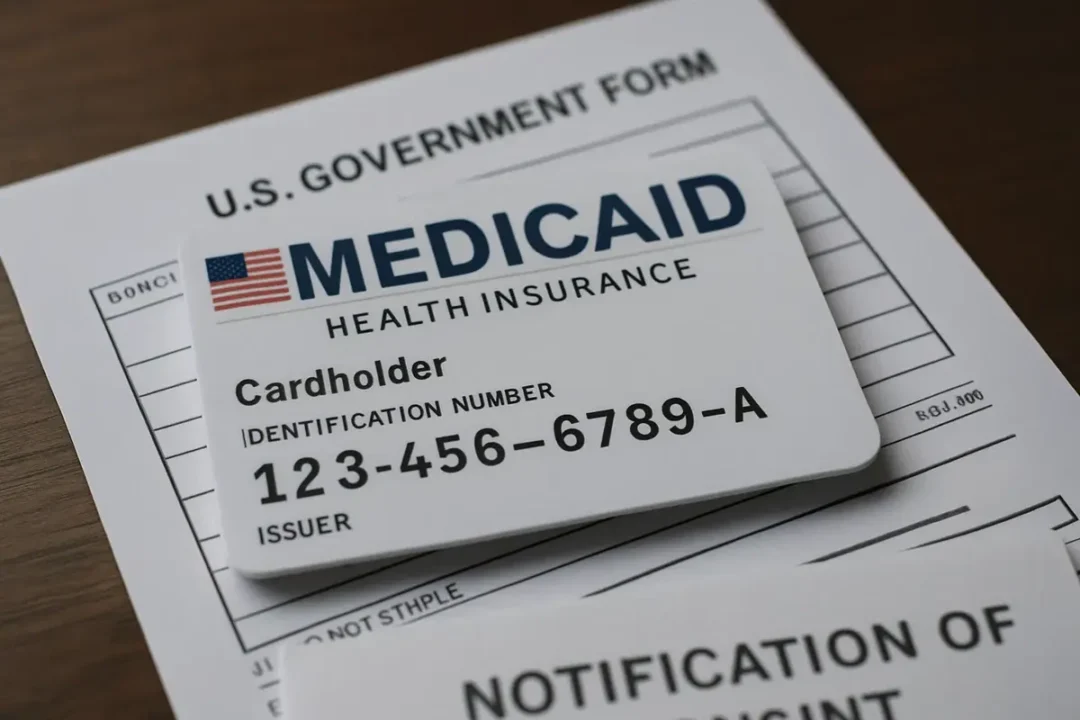
Medicaid provides critical medical coverage for millions of low-income Americans. As 2026 progresses, the landscape of public healthcare is undergoing a massive transformation. The federal government recently enacted sweeping legislation that fundamentally alters who qualifies for Medicaid and how they maintain that coverage. The Centers for Medicare & Medicaid Services (CMS) just issued an interim final rule detailing strict new mandates that focus heavily on employment verification and residency status.
Patients who assume their benefits will automatically renew face a harsh reality. State agencies are currently overhauling their eligibility systems to enforce these regulations before the impending federal deadlines. Reading through the new Medicaid rules protects beneficiaries from sudden coverage losses and helps them prepare for aggressive bureaucratic audits. Consumers must update their reporting habits to secure continuous medical care.
The Implementation of Strict Work Requirements
The most significant change to the Medicaid program centers on mandatory community engagement. Under the latest federal directive, adults between the ages of 19 and 64 living in expansion states must complete 80 hours of qualifying activities each month to keep their health insurance. These activities include traditional employment, approved job training, half-time educational enrollment, or community service. The mandate officially takes effect on January 1, 2027, but states are rolling out their verification systems right now.
State agencies demand heavy documentation. Beneficiaries must log their hours through state portals or risk losing their medical access entirely. Health policy analysts project these administrative hurdles will cause millions of enrollees to lose coverage over the next few years. To manage these complex reporting systems, some beneficiaries rely on AI health insurance assistants to track their compliance and submit necessary paperwork on time. Consumers must treat their Medicaid status like a strict monthly audit.
Narrowed Exemptions For The Medically Frail
Federal lawmakers included exemptions for specific populations, but the June 2026 CMS rule interprets these exceptions narrowly. Pregnant individuals, parents caring for children under 14, and those complying with standard SNAP work requirements remain exempt. The definition of “medically frail” faces intense new scrutiny. Having a chronic illness or a recognized disability no longer guarantees an automatic waiver.
An individual must now provide direct medical evidence proving their condition “significantly impairs” their ability to meet the 80-hour threshold. This subtle language shift forces patients to secure detailed documentation from their primary care physicians. The Kaiser Family Foundation frequently highlights how these strict medical reviews trap vulnerable patients in endless administrative appeals. Patients managing complex conditions must secure this documentation immediately before state enforcement begins.
Changes to Recertification and Retroactive Coverage
The new legislation permanently changes how frequently enrollees must prove their financial eligibility. Historically, Medicaid recipients completed a single annual recertification. Starting in January 2027, many adults will face mandatory renewals every six months. Missing a single piece of mail from the state agency will trigger an immediate coverage cancellation.
The rules also slash the retroactive coverage window. When patients apply for Medicaid today, the program often covers unpaid hospital bills from the previous 90 days. The new policy cuts this safety net drastically. Most adults will only secure coverage for medical bills incurred one month prior to their application date. Consumers evaluating the top-rated health insurance companies must compare these tightening public benefits against private subsidized market plans. Waiting to apply for coverage until a medical emergency strikes will result in devastating hospital debt.
Immigration Status Restrictions
Federal limits on non-citizen eligibility represent another massive structural shift. Starting in October 2026, Medicaid restricts enrollment to a very specific set of immigration statuses. Coverage remains available for U.S. citizens, lawful permanent residents, Cuban and Haitian entrants, and Compact of Free Association migrants. The new rules strip coverage from refugees, asylees, and trafficking survivors who previously qualified for medical assistance.
These individuals will lose their public benefits entirely and must seek alternative coverage on the commercial exchanges. The Centers for Medicare & Medicaid Services requires state agencies to verify legal status using strict federal databases. Families facing these eligibility cliffs must act aggressively to find replacement insurance before the October deadline. For seniors caught in this transition, exploring the cheapest $0 premium Medicare Advantage plans provides a secondary route to affordable care, provided they meet Medicare’s distinct legal residency requirements.
Medicaid Rule Changes At A Glance
| Policy Update | How It Functions | Direct Impact On Patients |
| 80-Hour Work Requirement | Mandates monthly employment or community service | Forces millions to submit continuous documentation or lose coverage |
| Narrowed Medical Exemptions | Requires proof that a disability significantly impairs working ability | Creates heavy bureaucratic burdens for chronically ill patients |
| Six-Month Recertification | Doubles the frequency of eligibility checks | Increases the risk of sudden coverage loss due to missed paperwork |
| Retroactive Coverage Cuts | Reduces past medical bill coverage from 90 to 30 days | Leaves late applicants vulnerable to massive hospital debt |
How Public Government Programs in America Are Changing Right Now

Millions of citizens rely on federal and state healthcare networks to survive. As we progress through 2026, public government programs in America are undergoing some of the most dramatic structural shifts seen in decades. Both Medicare and Medicaid face new legislative mandates that alter exactly how patients access care and pay for their daily medications.
From strict new Medicaid work requirements rolling out this summer to historic price negotiations driving down the cost of arthritis and blood thinner drugs, these systems operate differently than they did just a year ago. Patients who assume their public benefits remain static risk losing their coverage entirely. Knowing the current rules allows consumers to maximize their benefits, reduce their out-of-pocket spending, and secure the exact medical support they need.
Medicare Part D Caps And Drug Price Negotiations
For years, seniors faced terrifying pharmacy bills from unlimited out-of-pocket costs on specialty drugs. The federal government finally changed that financial math. In 2026, the out-of-pocket maximum for Medicare Part D prescription drug plans is officially capped at $2,100 for the year. Once a patient spends that amount, the insurance plan covers all remaining eligible drug costs at 100 percent for the rest of the calendar year.
Beyond the overall spending limit, historic federal price negotiations took effect in January 2026. The government forced pharmaceutical companies to lower the list prices on ten of the most widely used and expensive medications in the country, including blood thinners like Eliquis and diabetes treatments like Jardiance. These negotiated rates save beneficiaries thousands of dollars annually. To find the plans passing these maximum savings directly to the consumer, older adults must research the top-rated health insurance companies operating in their specific zip code.
CMS Implements Medicaid Work Requirements
Medicaid provides critical coverage for low-income individuals. The eligibility rules tightened significantly in June 2026. The Centers for Medicare & Medicaid Services issued an interim final rule requiring specific adult enrollees to prove they meet new community engagement standards. Certain adults between the ages of 19 and 64 must now log 80 hours per month of employment, job training, or community service to keep their medical benefits active.
States hold the responsibility for enforcing these rules. The exact timeline varies depending on your location. The government provides strict exemptions for individuals who are medically frail, pregnant, or acting as primary caregivers for a disabled family member. State agencies use advanced software and AI health insurance assistants to track this data. The burden of proof falls largely on the patient. Beneficiaries must respond to state notices immediately and submit their work hours or exemption status to avoid a sudden loss of medical coverage.

The Changing Rules For Medicare Telehealth Coverage
During the pandemic, public health programs waived geographic restrictions on virtual care, allowing patients in major cities to consult doctors via smartphone. Those emergency rules expired in early 2026. Traditional Medicare reverted to strict originating site requirements for most virtual services. Today, a patient on original Medicare must reside in a designated rural area and physically sit inside a local clinic to qualify for a covered telehealth consultation.
Private managed care plans operate under a different set of rules entirely. Insurers selling private Medicare policies often bypass these federal geographic limits to keep their members out of expensive emergency rooms. Retirees actively evaluating the cheapest $0 premium Medicare Advantage plans frequently find broad, unrestricted telehealth benefits bundled directly into their coverage. You must review your specific evidence of coverage document to confirm how your exact plan handles digital medicine this year.
Increasing Access To Weight-Loss Medications
The demand for GLP-1 weight-loss medications like Wegovy and Zepbound created immense financial pressure on the American healthcare system. In 2026, the federal government stepped in to provide financial relief for patients battling obesity and related cardiovascular conditions. A new bridge program rolling out mid-year drops the out-of-pocket cost of these specific injectables to $50 a month for qualifying Medicare enrollees.
Patients must meet strict clinical criteria to access these discounted rates. Coverage applies to beneficiaries with a body mass index over 35, or those with a lower BMI who suffer from documented cardiovascular disease or prediabetes. Data from the Kaiser Family Foundation consistently shows that increasing access to these medications lowers the long-term cost of treating heart failure and strokes. Doctors must submit precise clinical documentation to prove medical necessity before the government approves the reduced pharmacy pricing.
How To Protect Your Coverage During Enrollment
Federal health programs demand active participation. Passive consumers pay higher premiums and miss out on new, cost-saving benefits. You must treat the annual open enrollment period as a mandatory financial audit. Log into your secure government portal, verify your current drug list against the updated 2026 formularies, and confirm your local doctors still accept your specific insurance network.
If your state recently implemented the 80-hour Medicaid work mandate, gather your employment records or medical exemption letters immediately. Do not wait for a termination notice to arrive in the mail. Public government programs in America offer incredible financial protection. They require strict adherence to bureaucratic deadlines. Staying organized guarantees your physical access to medicine remains uninterrupted.
2026 Public Program Changes At A Glance
| Program Update | How It Functions | Direct Impact On Patients |
| Part D Spending Cap | Limits yearly out-of-pocket drug costs to $2,100 | Protects seniors from catastrophic pharmacy bills |
| Drug Price Negotiations | Lowers the list price of 10 major medications | Reduces the monthly cost of vital blood thinners and diabetes drugs |
| Medicaid Work Rules | Requires 80 hours of monthly community engagement | Forces some adults to prove employment or risk losing health coverage |
| Telehealth Restrictions | Limits original Medicare virtual visits to rural areas | Requires urban patients to secure private Advantage plans for home telehealth |
What $0 Premium Health Plans Really Mean for Consumers

Health insurance companies heavily market zero-dollar premium health plans during the annual open enrollment period. The promise of free monthly coverage attracts millions of consumers struggling with basic living expenses. The term “zero premium” is a marketing label, not a guarantee of free healthcare. A health insurance policy operates as a complex financial contract. When an insurance carrier removes the upfront monthly cost, they shift that financial burden to the backend of the policy.
Consumers must evaluate these plans by analyzing the total cost of care. Paying nothing per month feels like a financial win until a sudden hospital visit triggers thousands of dollars in hidden copayments and massive deductibles. Examining the mechanics behind these zero-dollar policies reveals exactly how insurance companies manage their financial risk. Shoppers who learn how to calculate their true medical exposure avoid the devastating surprise bills associated with these aggressively advertised health plans.
The Mechanics Behind The Zero-Dollar Price Tag
Insurance companies do not provide free medical coverage. They balance their financial risk by securing alternative revenue streams. In the commercial market, federal tax subsidies fund zero-premium policies. The Affordable Care Act provides premium tax credits to individuals based on their household income. If a consumer’s tax credit exceeds the cost of a baseline Bronze plan, the monthly premium drops to zero dollars.
The Medicare Advantage market operates differently. The federal government pays private carriers a set monthly rate to manage the healthcare of older adults. Insurers use this government funding to eliminate the monthly premium for the consumer, provided the enrollee continues to pay their standard Medicare Part B premium. The Centers for Medicare & Medicaid Services dictates the baseline rules allowing these corporate transfers to happen. Many older adults find these options attractive. Comparing the cheapest $0 premium Medicare Advantage plans requires seniors to read the fine print carefully. Carriers frequently offset these missing premiums by charging high copayments for daily medical services.

Uncovering Hidden Out-Of-Pocket Expenses
The absence of a monthly bill usually guarantees high out-of-pocket costs at the point of care. Zero-premium plans feature some of the highest deductibles in the industry. A consumer might pay nothing per month but remain responsible for the first eight thousand dollars of their medical bills before the insurance carrier pays a single claim.
Every doctor visit, specialist consultation, and trip to the pharmacy generates a direct out-of-pocket charge. Independent analysis of average out-of-pocket limits by health economists proves that consumers enrolled in zero-premium policies face significantly higher financial exposure during major medical events. A single emergency room admission easily wipes out any savings generated by skipping a monthly premium. Patients managing chronic diseases often lose money on these plans. Their constant need for prescription drugs and specialist visits forces them to pay steep copayments every week.
Managing Narrow Provider Networks
Carriers keep their costs low by severely restricting where patients receive care. Zero-premium policies typically operate as strict Health Maintenance Organizations (HMOs). These networks exclude top-tier hospital systems and independent specialists. If you seek treatment outside the designated network, the insurance company denies the claim entirely.
Patients must secure formal referrals from a primary care doctor before seeing any specialist. This administrative hurdle delays necessary medical treatment. Before enrolling, consumers must verify that their established doctors accept the specific network attached to the zero-dollar policy. Cross-referencing these restricted networks with the top-rated health insurance companies in your local area prevents you from losing access to the physicians you trust most.
Restrictive Prescription Drug Formularies
Pharmacy benefits present another major financial trap inside zero-premium plans. Carriers manipulate their drug formularies to control spending. They place expensive brand-name medications and specialty biologics on the highest pricing tiers. A zero-premium plan might charge a fifty percent coinsurance rate for a necessary arthritis medication, forcing the patient to pay hundreds of dollars per refill.
Insurers frequently implement strict prior authorization rules for these policies. They require patients to try older, cheaper medications before approving a newer, more effective drug. This strategy, known as step therapy, frustrates patients and physicians alike. Shoppers must input their exact medication list into the carrier’s pricing tool during open enrollment to confirm coverage limits.
Calculating Your Total Cost Of Care
Selecting the right insurance policy requires basic financial math. You must calculate your estimated total cost of care for the upcoming year. Add twelve months of projected premiums to your expected out-of-pocket expenses based on your historical medical usage.
A healthy twenty-five-year-old who visits the doctor once a year often wins with a zero-premium plan. The money saved on monthly bills outpaces their minimal medical spending. A fifty-year-old managing hypertension and type 2 diabetes usually loses money on the exact same policy. The constant copayments and high deductibles eclipse the monthly savings. Consumers protect their wealth by matching their insurance policy directly to their expected clinical needs, rather than buying based on a marketing slogan.
Zero-Premium Plan Features At A Glance
| Plan Characteristic | How It Functions | Direct Financial Impact |
| High Deductibles | Shifts initial medical costs to the patient | Requires families to cover thousands of dollars before benefits start |
| Restricted Networks | Limits coverage to a narrow list of approved doctors | Creates massive surprise bills if a patient uses an out-of-network clinic |
| Tiered Drug Formularies | Places expensive medications on high copayment tiers | Increases the out-of-pocket cost for specialty and brand-name prescriptions |
| Subsidized Funding | Uses federal tax credits or Medicare rebates to cover the premium | Offers healthy individuals a cheap way to maintain catastrophic coverage |
Preventive Care that Can Lower Long-Term Healthcare Costs

Medical bills drain household budgets across the country. Patients often wait until sickness strikes before scheduling a doctor’s appointment. This reactive habit creates massive financial liabilities. A late-stage diagnosis requires aggressive medical interventions. Hospital stays and specialty drugs carry astronomical price tags. Shifting your focus to preventive care stops these expenses before they begin. Routine checkups catch minor irregularities early. Finding a small issue today stops a major medical crisis tomorrow. Financial experts view routine medical screenings as the ultimate defense against medical debt. Consumers who utilize their free annual benefits protect their physical health and their long-term wealth.
Annual Screenings Stop Expensive Surgeries
The Affordable Care Act mandates free preventive screenings for all compliant insurance policies. You pay zero dollars for these exact visits. Insurance carriers cannot charge a copayment or apply the visit to your deductible. These free benefits cover mammograms, colonoscopies, and basic cardiovascular blood panels. Catching a small polyp during a routine colonoscopy prevents colon cancer. Treating advanced cancer costs hundreds of thousands of dollars. Removing a polyp costs the insurance company a fraction of that amount. The U.S. Preventive Services Task Force grades these screenings based on their proven clinical success.
Carriers prefer paying for cheap screenings over funding catastrophic hospital claims. Catching illnesses early creates a financial win for both the patient and the insurer. Reviewing how early detection improves treatment outcomes reveals exactly why the system prioritizes these tests. You must verify the billing codes before leaving the doctor’s office. A doctor might code a visit as “diagnostic” if you mention a specific pain. Diagnostic visits trigger your standard copayments. You must state clearly that you want a strictly preventive annual exam.
Catching Metabolic Conditions Early
Chronic diseases drive the majority of medical spending in America. Conditions like type 2 diabetes and hypertension develop silently over many years. Patients rarely feel symptoms during the earliest stages. A simple, free blood test during an annual physical reveals creeping blood sugar levels. Identifying prediabetes allows a patient to change their diet immediately. Stopping the progression to full diabetes saves a family thousands of dollars in insulin prescriptions.
The Centers for Disease Control and Prevention warns that chronic illnesses account for the vast majority of total healthcare expenditures. Managing these metrics early prevents sudden strokes and heart attacks. Consumers now use connected digital tools to track these numbers from home. Pairing these daily habits with health apps for chronic diseases keeps your baseline metrics stable. Stable metrics translate directly into fewer specialist copayments and lower pharmacy bills over your lifetime.

Vaccinations Shield The Entire Risk Pool
Immunizations offer another powerful tool for cost containment. Annual flu shots, pneumonia vaccines, and the shingles series prevent severe viral infections. A bad case of the flu can easily force an older adult into the intensive care unit. Intensive care stays generate tens of thousands of dollars in facility fees. A simple, free injection administered at a local pharmacy prevents that catastrophic bill.
Insurers factor regional vaccination rates into their yearly pricing models. Fewer hospital admissions in a local zip code keep premiums lower for everyone in that risk pool. Corporate carriers build their financial forecasts around this exact math. Analyzing how health insurance companies set premium prices exposes this direct link between preventive habits and your monthly bill. The American Medical Association strongly advocates for high community vaccination rates to alleviate the financial strain on local hospital systems.
The Financial Value Of Dental And Vision Care
Patients frequently separate their medical insurance from their dental and vision plans. The body functions as a single connected system. Poor dental hygiene leads directly to systemic cardiovascular infections. A routine dental cleaning costs a few dollars. A massive root canal and crown replacement costs thousands. Regular eye exams detect early signs of glaucoma and diabetic retinopathy. Catching these conditions early prevents permanent blindness and the need for expensive disability accommodations.
Standard health plans rarely cover routine dental work. Older adults must actively seek out these extra benefits. Researching the cheapest $0 premium Medicare Advantage plans helps seniors find policies that bundle free dental and vision checkups into their standard coverage. The American Dental Association repeatedly publishes data showing that regular cleanings drastically reduce emergency dental surgeries. Using these preventive networks correctly keeps a fixed income directed toward daily living expenses rather than emergency medical debt.
Preventive Services At A Glance
| Preventive Service | How It Functions | Financial Impact On Patients |
| Annual Screenings | Scans for cancer and cardiovascular risks | Prevents late-stage disease and expensive surgeries |
| Blood Panels | Detects prediabetes and high cholesterol | Lowers the need for lifelong prescription medications |
| Immunizations | Protects against severe viral infections | Keeps patients out of costly intensive care units |
| Routine Dental | Cleans teeth and checks for gum disease | Stops systemic infections and avoids pricey root canals |
Prescription Drug Prices: Why They Are So Expensive

Americans face a massive financial shock when seeing prescription drug prices. The United States pays significantly more for prescription medications than any other developed nation. High prices force families to skip doses or abandon their medical treatments entirely. This systemic issue stems from a convoluted supply chain, corporate monopolies, and structural flaws in commercial insurance design.
The pharmaceutical market operates behind closed doors. Drug makers set initial prices without federal limitations. Intermediaries secure undisclosed discounts. Insurance carriers shift the remaining financial burden onto the sickest patients. Fixing this broken system requires sweeping legislative action. At the individual level, patients must learn the rules of this market to protect their finances.
The Influence Of Pharmacy Benefit Managers
The system relies on hidden middlemen called Pharmacy Benefit Managers (PBMs). These corporations negotiate prices between drug makers and insurers. They secure massive rebates for placing certain drugs on preferred coverage lists. Those savings rarely reach the patient waiting at the pharmacy counter. Patients often pay copayments based on the artificially inflated list price.
Exploring how pharmaceutical companies influence pricing reveals the structural leverage these corporate entities maintain. The Federal Trade Commission actively investigates PBM practices to determine how their rebate structures drive up out-of-pocket spending. PBMs dictate exactly which medications a patient can access. A sudden change in a PBM’s formulary forces patients to switch treatments or pay the full retail price out of their own pockets.

Patent Monopolies Block Generic Alternatives
Manufacturers use aggressive legal strategies to prevent cheaper alternatives from entering the market. They build patent thickets around top-selling biologics and brand-name drugs. A single drug might carry dozens of overlapping patents covering minor manufacturing tweaks or delivery devices. This prevents generic competitors from offering cheaper versions for years or even decades.
The Food and Drug Administration approves generic medications to lower consumer costs. Legal battles routinely delay their release to the public. Patients trapped without a generic alternative face enormous monthly bills. Reviewing the top-rated health insurance companies helps consumers find carriers that aggressively challenge these inflated costs and offer better specialty drug coverage.
High Deductibles Expose The Consumer
Health plans shift more financial risk directly onto the subscriber. High-Deductible Health Plans (HDHPs) require patients to pay thousands of dollars before the insurance carrier contributes a single cent. A patient picking up a brand-name medication pays the full negotiated rate during the first few months of the year. This dynamic creates immediate financial distress for families managing chronic illnesses.
Independent data from the Kaiser Family Foundation shows out-of-pocket spending continues to climb for workers with employer-sponsored coverage. Some carriers use AI health insurance assistants to help members locate the lowest pharmacy prices. The baseline deductibles remain an enormous barrier to care. High deductibles turn routine prescriptions into severe financial liabilities.
Actionable Steps To Lower Your Pharmacy Bills
Patients must act aggressively to protect their finances. Never assume your insurance provides the best price for a medication. Discount cards and cash-pay pharmacies frequently offer lower rates than your official insurance copayment. Ask your physician for a 90-day supply of maintenance medications. Bulk prescribing usually reduces the cost per pill.
Check the manufacturer’s website for patient assistance programs or copay cards. Drug makers often distribute these cards to lower the patient’s immediate cost and bypass insurance restrictions. Seniors evaluating the cheapest $0 premium Medicare Advantage plans must carefully review the plan’s specific drug formulary before enrolling. A plan with a zero-dollar premium offers no real value if it drops coverage for your daily prescriptions. The Centers for Medicare & Medicaid Services provides strict rules regarding formulary changes, giving consumers a framework to appeal sudden coverage denials.
Pharmacy Cost Reduction At A Glance
| Strategy | How It Works | Financial Benefit For Patients |
| Cash-Pay Pharmacies | Bypasses insurance to pay direct wholesale prices | Drops the cost of generic drugs below standard copayment levels |
| Manufacturer Copay Cards | Drug companies subsidize the out-of-pocket cost | Shields patients from high deductibles on brand-name medications |
| 90-Day Prescriptions | Buying in bulk through a mail-order pharmacy | Reduces the total cost per pill and eliminates monthly pharmacy trips |
| Formulary Audits | Comparing drug lists during open enrollment | Ensures your specific medications remain covered at the cheapest tier |
