
Connect with Us


The American medical system operated behind a wall of financial secrecy for decades. Patients received massive hospital bills weeks after their discharge, possessing zero ability to compare prices beforehand. The executive actions initiated in 2019 fundamentally altered this dynamic. The Trump administration pricing disclosure mandates forced corporate hospital systems and commercial insurance carriers to publish their secret negotiated rates online. This regulatory shift stripped away the opaque chargemaster system and handed patients the raw data required to shop for medical procedures like standard consumer goods.
Forcing Hospitals To Publish Negotiated Rates
The Hospital Price Transparency Rule required all clinical facilities to post a machine-readable file containing their standard charges. This mandate took effect in January 2021, forcing hospitals to list the exact prices they negotiate with specific insurance networks, alongside discounted cash prices for uninsured patients. A patient requiring an MRI can now view exactly what a local facility charges Blue Cross compared to UnitedHealthcare.
The Centers for Medicare & Medicaid Services strictly enforces these provisions, demanding that hospitals provide a consumer-friendly shopping tool for at least three hundred standard medical services. Patients analyzing the top-rated health insurance companies use this raw data to verify if their carrier actually secures a competitive regional discount. If a carrier consistently negotiates higher rates than competing insurers, the patient knows to switch plans during the next enrollment cycle.
The Transparency In Coverage Rule For Insurance Carriers
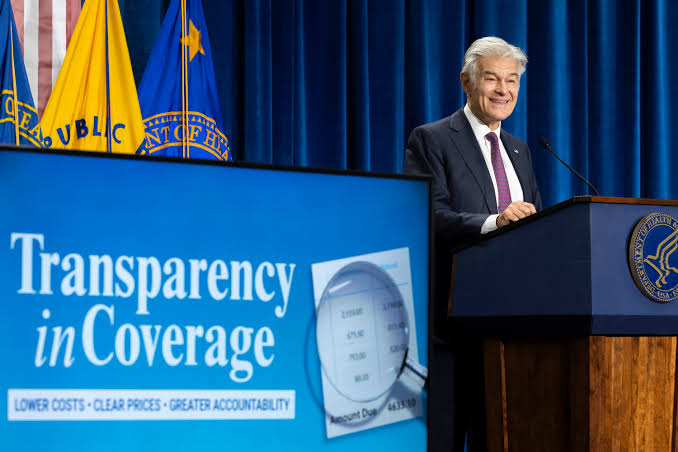
Regulators applied equal pressure to the insurance industry. The Transparency in Coverage mandate required commercial health plans to expose their own financial data. Starting in 2022 and expanding heavily through the following years, carriers had to publish massive data files detailing in-network negotiated rates and historical out-of-network allowed amounts. The rule forces insurers to offer an internet-based price comparison tool.
This tool allows an enrollee to input a specific billing code and see their exact estimated out-of-pocket liability before scheduling a surgery. The American Hospital Association tracked how these dual mandates created a massive new data ecosystem, allowing third-party software developers to aggregate pricing information and build consumer-facing cost calculators. Consumers bypass the corporate bureaucracy entirely by utilizing these independent digital platforms to locate the cheapest imaging centers and surgical clinics in their zip code.
Corporate Resistance And Stiff Federal Penalties
Major medical corporations fought these mandates aggressively in federal court. Hospital groups argued that forcing them to reveal negotiated rates violated their corporate rights and would confuse patients. Federal judges dismissed these lawsuits, ruling that patients hold a fundamental right to know the cost of their care upfront. Once the courts upheld the mandates, hospitals shifted to a strategy of quiet non-compliance. Many facilities buried their pricing files deep within their websites or used complex coding to block search engines from indexing the data.
Regulators responded by escalating the financial penalties. The federal government now fines large, non-compliant hospital systems millions of dollars annually until they publish clear, accessible pricing data. The Kaiser Family Foundation frequently audits this compliance, noting that the threat of massive federal fines remains the only effective mechanism to force corporate cooperation. State legislatures now pass supplementary laws mirroring the federal language, adding state-level licensing penalties for clinical facilities that refuse to expose their hidden pricing contracts.
How Consumers Use This Data To Lower Medical Bills
Patients must actively use this published data to protect their household wealth. When a hospital billing department issues a massive invoice for a routine procedure, the patient should immediately cross-reference that bill against the facility’s public machine-readable file. If the hospital attempts to charge a cash-paying patient a rate higher than their published maximum, the patient uses the federal data to demand an immediate billing adjustment.
Patients scheduling elective surgeries use the insurer’s transparency tool to compare costs across three different local facilities. Choosing the surgical center with the lowest negotiated rate directly reduces the patient’s coinsurance payment. These disclosure rules transform the patient from a passive payer into an aggressive medical consumer.
Pricing Disclosure Requirements At A Glance
| Regulated Entity | Federal Requirement | Direct Financial Impact |
| Corporate Hospitals | Must publish machine-readable files of all negotiated rates | Exposes price gouging and allows uninsured patients to demand the listed cash discount |
| Commercial Insurers | Must provide an online out-of-pocket cost estimator | Allows enrollees to shop for the cheapest local surgical center before an operation |
| Medical Software Firms | Aggregates raw federal data into consumer applications | Forces hospital systems to compete publicly on price for routine elective procedures |
