
Connect with Us


Remote patient monitoring is moving from a narrow technical service into a routine part of chronic care planning, hospital-at-home programs, and post-discharge follow-up. The appeal is clear: connected devices can collect selected health measures outside a clinic, which may help care teams identify concerning trends earlier than a scheduled visit would allow. Yet the value of these tools depends on far more than device adoption. Coverage rules, cybersecurity controls, clinician workload, patient consent, and data interpretation all shape whether digital monitoring improves access or simply adds another layer of cost and confusion.
Remote Patient Monitoring In Health Access
Where Remote Patient Monitoring Fits
Remote patient monitoring usually refers to the use of connected devices that transmit selected health information from a patient’s home or another non-clinical setting to a care team. Depending on the clinical program, this may include information from blood pressure cuffs, weight scales, pulse oximeters, glucose-related tools, cardiac devices, or other sensors. The specific device, data frequency, and response plan should be defined by the care team and documented in a way the patient can understand.
The access argument is strongest for people who face barriers to frequent office visits. Rural distance, limited transportation, mobility challenges, caregiver schedules, and post-acute recovery needs can make routine in-person checks difficult. Digital monitoring may support more frequent observation without requiring every measurement to happen in a medical office. That does not mean it replaces examination, diagnostic testing, or urgent care. A reading sent from home is a signal for clinical interpretation, not a diagnosis by itself.
Access Does Not Mean Equal Benefit
Technology can also widen gaps if it is deployed without support. A patient may need broadband, a compatible phone, stable housing, charging access, language-concordant instructions, and help placing or using a device. Older adults, people with disabilities, and patients with limited digital literacy may need setup assistance or alternative reporting options. Programs that assume every patient can use the same app in the same way risk excluding the groups most likely to benefit from flexible care options.
Cost is another access issue. Device fees, data plans, copayments, and billing rules can change the patient’s financial exposure. Related coverage questions overlap with broader digital care planning, including the cost concerns discussed in digital health technologies for chronic care. For patients, the practical question is not whether a device is modern; it is whether the service is covered, understandable, clinically useful, and financially manageable.
Payment And Oversight For Remote Patient Monitoring
Medicare Billing Shows Scale
Federal insurance spending shows that remote patient monitoring has become a meaningful part of U.S. care delivery. The U.S. Office of Inspector General reported that Medicare payments for this service exceeded $500 million in 2024, reflecting continued use under federal health insurance programs OIG Medicare review. That figure does not prove that every billed service improved outcomes, but it does show why oversight matters.
Payment policy can encourage adoption, but it can also create incentives for overuse, low-value monitoring, or unclear patient enrollment. Strong programs should explain what is being measured, who reviews the data, how often review occurs, what symptoms require direct contact, and what costs may appear on an insurance statement. Without those details, patients may not know whether they are receiving an active clinical service or simply generating billable data.
Market Forecasts Need Caution
Private market research included in the available research materials projected sizable global and U.S. growth through the early 2030s. Those projections should be interpreted carefully because reports may define the market differently. Some estimates count software platforms, clinical services, and analytics; others focus on device revenue. A forecast can signal investor interest, but it is not the same as evidence that a particular program improves health, reduces costs, or works equally well across communities.
For health systems, this distinction matters. Buying devices is easier than building a safe monitoring model. Staffing protocols, escalation pathways, data retention policies, EHR integration, and patient education all require operational planning. Readers interested in the business and infrastructure side of distributed technology systems may find adjacent operational coverage at a related site in the same network, Up Offshore, though clinical decisions should remain grounded in health-sector guidance and patient-specific care planning.
Cybersecurity Risks In Remote Patient Monitoring
Patient Monitors Can Carry Data Risk
Cybersecurity is not a secondary concern in connected care. In January 2025, the U.S. Food and Drug Administration issued a safety communication about cybersecurity vulnerabilities in certain Contec CMS8000 and Epsimed MN-120 patient monitors; the agency said that, once connected to the internet, affected devices could exfiltrate personally identifiable and protected health information FDA safety communication. That event illustrates a broader issue: home monitoring devices may sit at the intersection of clinical safety, privacy, and network security.
Security problems can affect patients in several ways. A device may expose sensitive information, transmit data to an unintended destination, or create uncertainty about whether a reading can be trusted. For care teams, a compromised device can create documentation risk and workflow strain. For patients, the concern is not only identity protection; it is confidence that the information used in care decisions was collected and transmitted appropriately.
Governance Before Expansion
Health organizations should treat security review as part of care quality, not as a late-stage technology purchase step. Practical governance includes vendor assessment, device inventory, software update procedures, access controls, staff training, incident reporting, and clear instructions for patients. Consent materials should explain what data is collected, who can view it, how it may be shared, and how long it may be stored. These are policy and trust questions as much as technical ones.
Interoperability remains another barrier. If data from a home device cannot move into the clinical record in a usable format, clinicians may need to check separate dashboards or manually reconcile readings. That can increase workload and raise the chance that information is missed. Post-acute and long-term care settings may face particular integration challenges because they often rely on systems that do not exchange data easily with hospitals or physician groups.
Data Quality And Clinical Workflows
More Data Is Not Always Better
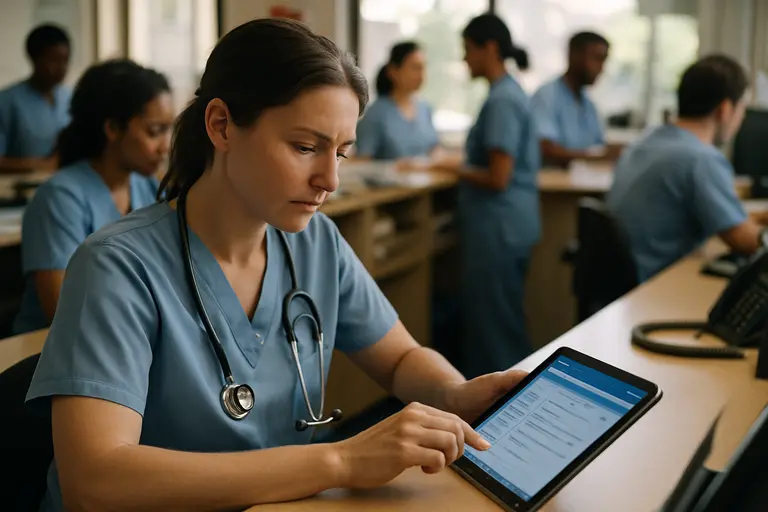
Digital monitoring can generate frequent readings, but volume alone does not equal better care. Devices can be used incorrectly, batteries can fail, Bluetooth connections can drop, and readings can vary based on timing, position, activity, or user technique. Care teams need thresholds that distinguish expected variation from clinically meaningful change. They also need a plan for weekends, after-hours alerts, and readings that fall outside a normal range but do not require emergency action.
Alert fatigue is a real operational concern. If a platform produces frequent low-priority notifications, clinicians may spend more time sorting noise from signal. A safer design is usually one that aligns measurement frequency with the patient’s condition, risk level, and treatment plan. Patients should know which symptoms require immediate medical attention, which issues should be reported to the care team, and which readings can wait for routine review. This article is educational only and is not a substitute for medical advice.
Equity, Language, And Support
Programs should be assessed for equity from the start. That means tracking who is offered monitoring, who declines, who stops using a device, and why. It also means providing instructions in accessible formats, offering interpreter support where needed, and avoiding assumptions that a lack of app use reflects a lack of interest in care. For some patients, a phone call, community health worker visit, or simplified device may be more appropriate than a complex app-based program.
Care teams also need to explain the limits of monitoring. A normal home reading does not rule out every health problem, and an abnormal reading may need confirmation. Patients should not start, stop, or change medications or treatment plans based only on device data unless their licensed clinician has given specific instructions. The safest use of remote patient monitoring is usually as one part of a broader care plan that includes clinical judgment, patient preferences, and clear communication.
Remote Patient Monitoring Questions For Clinicians
What Patients Can Ask
Before enrolling in a monitoring program, patients can ask practical questions that clarify purpose, cost, and safety. These questions are not a checklist for self-treatment; they are prompts for discussion with a licensed clinician, care manager, or insurance representative.
- What condition or recovery goal is this monitoring meant to support?
- Which readings will be collected, and how often should they be sent?
- Who reviews the data, and during what hours?
- What symptoms or readings should lead me to call the clinic or seek urgent help?
- Will my insurance be billed, and could I owe a copayment or deductible amount?
- How is my health information protected, and what happens if the device is lost or stops working?
The future of remote patient monitoring will depend less on the number of devices sold and more on whether programs are clinically clear, affordable, secure, and usable. Patients should discuss benefits, limits, privacy protections, and out-of-pocket costs with their clinician before relying on any connected device as part of care.
