
Connect with Us


The Financial and Medical Risks of Being Uninsured in 2026
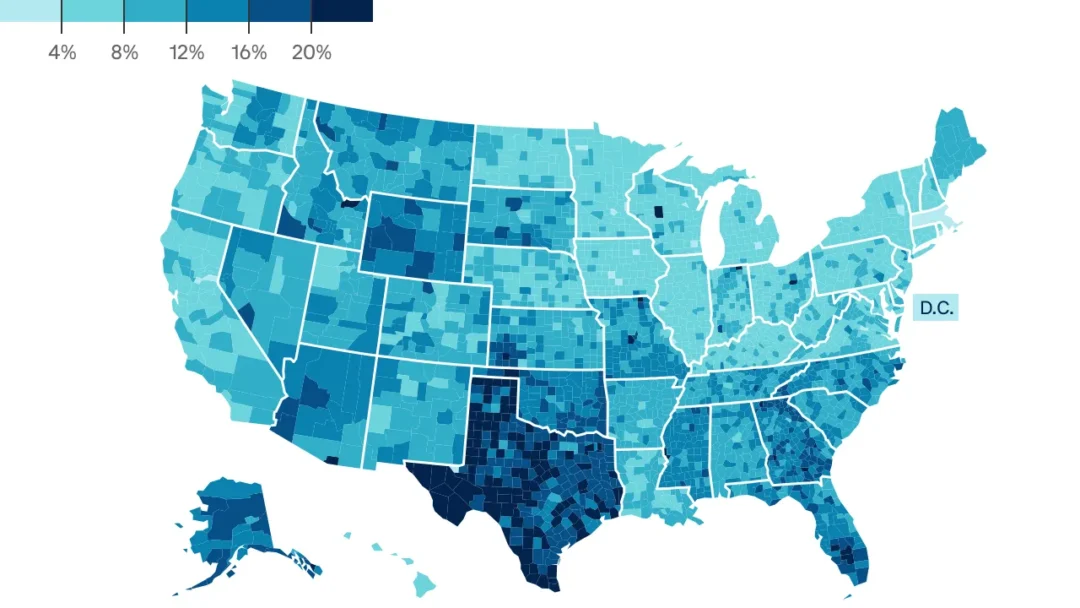
Choosing to skip health coverage seems like a simple way to save money each month. Young, healthy adults often calculate that paying a monthly premium costs more than paying cash for an annual checkup. That math fails the moment a severe accident or sudden illness strikes. The risks of being uninsured stretch far beyond a standard doctor’s bill. A single emergency room visit generates charges that take decades to pay off. Thus, medical providers treat insurance as a financial shield. Removing that shield exposes your entire net worth to the American healthcare system.
Exposure to Catastrophic Medical Debt
Hospitals charge uninsured patients the “chargemaster” rate, representing the highest possible list price for a medical service. However, corporate carriers negotiate steep discounts for their members, leaving uninsured individuals with little bargaining leverage. A routine appendectomy runs an uninsured patient tens of thousands of dollars out of pocket. Independent tracking of national medical debt statistics shows that unpaid hospital bills remain a leading cause of personal bankruptcy in the United States.
When bills go unpaid, hospital billing departments send accounts directly to collection agencies. The federal government actively monitors how these aggressive collection tactics destroy personal credit scores. As a result, ruined credit stops families from securing home mortgages, signing residential leases, or financing reliable vehicles. The financial damage of a single hospital stay ripples through a family’s economic future for years. Many employers now run credit checks during the hiring process. A massive medical debt sent to collections limits career opportunities, trapping the uninsured patient in a cycle of lower wages and continued lack of coverage.
Delayed Diagnostics and Worsening Health Outcomes
Financial fear drastically alters patient behavior. People lacking insurance actively avoid scheduling preventive screenings. They skip routine blood panels and ignore chronic pain, lacking the funds for a cash consultation. This delay turns highly treatable conditions into lethal emergencies.
The American Cancer Society publishes data proving that uninsured patients receive diagnoses at much later, deadlier stages of the disease than fully insured individuals. Catching a tumor late requires aggressive chemotherapy, extended hospital stays, and complex surgeries. The patient suffers worse physical outcomes and generates medical bills that far exceed the cost of early intervention. Reviewing the top-rated health insurance companies helps consumers find affordable preventive care networks that stop these physical declines early.
The Loss of Prescription Drug Access
Managing a chronic illness requires daily medication. Uninsured patients face the full retail price at the pharmacy counter. A vial of insulin or a basic asthma inhaler costs hundreds of dollars without an insurance carrier subsidizing the transaction. To stretch their budgets, uninsured patients frequently ration their doses or skip refills entirely.
This medication rationing leads directly to severe medical events. A diabetic patient rationing insulin soon requires an emergency room visit for diabetic ketoacidosis. The Centers for Disease Control and Prevention tracks how unmanaged chronic diseases drive the majority of catastrophic medical events in the United States. Providing continuous access to generic and brand-name prescriptions stops these predictable health crises.
The Strain on Federal and Local Safety Nets
Uncompensated care burdens the entire national economy. When uninsured patients arrive at the emergency room, federal law dictates the hospital must stabilize them, regardless of their ability to pay. Hospitals absorb massive financial losses providing this mandatory care. The American Hospital Association reports billions of dollars in uncompensated care every year.
To survive these financial deficits, medical centers raise prices for everyone else. Commercial carriers then increase monthly premiums to cover the inflated hospital charges. The personal decision to skip coverage forces local taxpayers and insured neighbors to foot the bill.
Securing Coverage Before Emergencies Strike
Federal tax penalties for remaining uninsured disappeared on a national level, yet several states enforce their own strict financial fines today. Outside of a tax penalty, the raw financial exposure demands action. Consumers must treat health coverage as asset protection.
Buying a policy during the annual open enrollment period guarantees access to negotiated rates and caps annual out-of-pocket spending. Federal subsidies make these policies surprisingly affordable for middle-income earners. The government manages regional exchange platforms where shoppers calculate exact tax credits based on projected income. Selecting a baseline catastrophic plan costs a fraction of a single emergency room admission, shielding your savings from unpredictable health disasters. Securing a policy turns an unpredictable, life-altering medical bill into a fixed, manageable monthly expense.
The Cost of Being Uninsured At A Glance
| Risk Factor | Medical Impact | Financial Consequence |
|---|---|---|
| Chargemaster Billing | None directly | Patient pays the highest possible retail price for care |
| Medical Debt | Causes immense stress and anxiety | Destroys credit scores and limits future purchasing power |
| Delayed Diagnostics | Allows diseases to progress to lethal stages | Forces the need for highly expensive, aggressive treatments |
| Uncompensated Care | Overcrowds local emergency departments | Drives up healthcare costs for the entire local community |
