
Connect with Us


How Chronic Disease Technology Lowers Out-of-Pocket Medical Costs
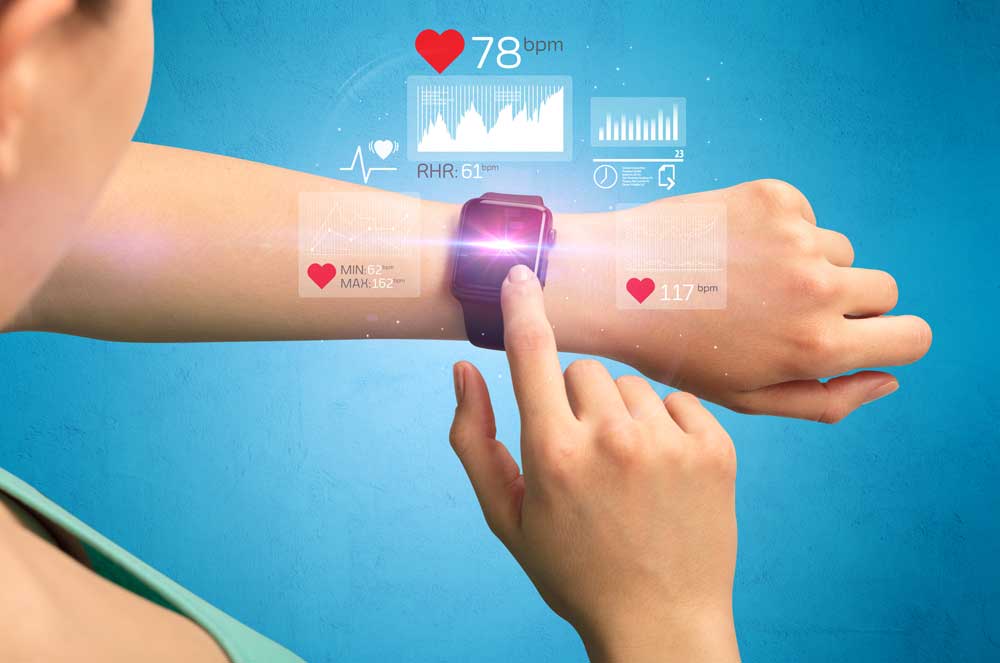
Managing a long-term illness requires daily vigilance. Patients track metrics, take medications, and attend frequent checkups. The traditional medical system treats these conditions retroactively. Doctors wait for a patient to experience a severe symptom before adjusting the treatment plan. This delayed reaction creates massive hospital bills and physical suffering. Chronic disease technology shifts this dynamic entirely. Medical device manufacturers build smart sensors that monitor biological data around the clock. These devices transmit information directly to a clinical team. This constant connection stops minor health dips from becoming full-scale medical emergencies.
Remote Patient Monitoring Prevents Hospital Readmissions
High blood pressure and congestive heart failure drive the majority of hospital admissions in the United States. A patient leaves the hospital and goes home without direct medical supervision. Fluid retention spikes, leading to another expensive emergency room visit just days later. Remote Patient Monitoring (RPM) solves this exact problem. Hospitals send patients home with cellular-connected weight scales and blood pressure cuffs. The patient steps on the scale each morning. The device sends the exact weight to the cardiology department. A sudden two-pound increase triggers an alert. A nurse calls the patient and adjusts their diuretic medication immediately.
The American Heart Association advocates strongly for these remote systems to reduce mortality rates. Insurance companies recognize the massive financial savings tied to RPM. Paying a few hundred dollars for a connected scale prevents a fifty-thousand-dollar intensive care admission.
Continuous Glucose Monitors Redefine Diabetes Care
Diabetes management historically relied on painful finger pricks. Patients guessed how specific meals affected their blood sugar. Continuous Glucose Monitors (CGMs) eliminate the guesswork. A small sensor sits on the patient’s arm and reads glucose levels every five minutes. The data flows directly to a smartphone app. The patient sees real-time graphs showing exactly how their metabolism reacts to food and exercise. They adjust their insulin doses precisely.
Better daily control stops the severe metabolic crashes that cause organ damage and blindness. Integrating these devices with health apps for chronic diseases allows patients to maintain stable baseline metrics. The Centers for Disease Control and Prevention reports that uncontrolled diabetes ranks as a top driver of national healthcare spending. Securing insurance coverage for CGMs used to require a lengthy appeals process. Carriers now realize that funding these devices protects their corporate profit margins.
Prescription Digital Therapeutics Enter The Market
The medical software industry creates programs that doctors prescribe just like a traditional pill. Prescription digital therapeutics treat behavioral health conditions, substance use disorders, and chronic insomnia. A patient downloads the authorized software to their phone. The program guides them through clinically validated cognitive behavioral therapy.
The Food and Drug Administration heavily regulates these applications to guarantee they deliver genuine clinical results. These digital treatments bypass the standard pharmacy counter entirely. The billing process for software presents a unique challenge for standard insurance carriers. Actuaries struggle to place an app on a traditional drug formulary list. Many progressive health plans employ AI health insurance assistants to review software claims and authorize immediate access for qualified members.
Securing Insurance Coverage For Medical Devices
Accessing modern medical hardware requires strict adherence to your insurance policy rules. Medical device suppliers must hold in-network status with your exact carrier. Buying a connected inhaler or a smart blood pressure monitor out-of-network leaves you responsible for the entire retail price. Patients must secure formal prior authorization from their primary care doctor before ordering any equipment.
Medicare handles chronic disease technology under Part B durable medical equipment rules. Private carriers bundle these devices into specialized wellness programs. Seniors actively comparing the cheapest $0 premium Medicare Advantage plans find that many policies provide free chronic care management kits as an extra benefit. Reviewing your summary of benefits confirms your exact out-of-pocket maximums and protects your household budget from unexpected hardware costs.
Chronic Disease Technologies At A Glance
| Technology Type | Clinical Function | Direct Financial Impact |
| Remote Patient Monitoring | Transmits daily vitals straight to the clinic | Prevents costly hospital readmissions and emergency visits |
| Continuous Glucose Monitors | Tracks blood sugar every five minutes | Lowers long-term expenses tied to severe diabetic complications |
| Digital Therapeutics | Delivers behavioral therapy via software | Replaces expensive in-person therapy sessions and pharmacy copays |
| Connected Inhalers | Monitors daily asthma medication adherence | Stops severe respiratory attacks and urgent care fees |
